


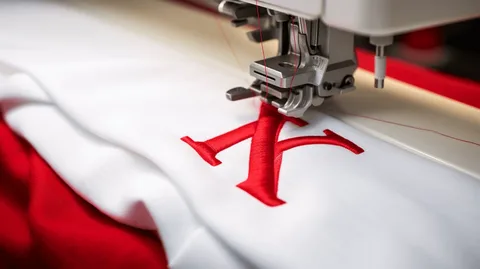
Thin fabric can look smooth at first. Then the stitches hit, and it gets wavy. That wave is called puckering. It happens when the thread pulls harder than the fabric can handle. So, a smart shop plans ahead. For example, they pick the right backing, needle, and stitch style. They also hoop with care. Even better, they test first. Experts offering embroidery services in Murrieta CA, avoid puckers by treating thin fabric like a gentle material. They keep tension low and support high. Next, this guide breaks down what they do, step by step.
What Puckering Really Means: Get Embroidery Services in Murrieta CA
Puckering is a tug-of-war. The thread wants to tighten as it sits. Meanwhile, thin fabric wants to shift and wrinkle. So, the cloth bunches near the design. Also, dense designs can pull even more. That makes small ripples look big.
However, puckering is not bad luck. It has clear causes. For example, wrong hooping can stretch the fabric first. Then, it relaxes after stitching, and wrinkles show up. Madeira notes that hooping should be firm but not stretched. Also, tension matters a lot. Brother explains that tight tension can make the thread snap back and pucker the fabric.
Start With the Fabric Test, Not the Design
A careful shop tests thin fabric before running a full order. First, they stitch a small sample. Then, they check the back and front. If waves show, they adjust one thing at a time. For example, they may reduce stitch density. Or they may switch to a lighter needle. Madeira suggests very small needles, like 60/8 or 65/9, for fine fabrics.
Also, shops watch fabric stretch. Thin knits stretch more than thin woven cotton. So, they often add extra support. Next, they pick the hoop size that matches the design. A smaller hoop can help control movement.
Smart Stabilizer Choices That Keep Things Flat
Stabilizer is a quiet helper under the fabric. It holds the cloth steady as stitches land. Without it, thin fabric shifts fast. So, puckers show up. A shop that offers Murrieta best embroidery services often starts with the stabilizer plan first. They match it to fabric and design size. Also, they may use more than one layer for a weak fabric. Sulky notes pros may use one to three layers for stability. Then, they choose tear-away, cut-away, or wash-away based on the job. Sulky also explains stabilizers reduce stress from many needle hits.
Hooping Without Stretching the Life Out of Fabric
Hooping looks easy, yet it causes many problems. If fabric is pulled tight like a drum, it can snap back later. Then wrinkles appear around the stitching. So, pros hoop “flat,” not “stretched.” Also, many shops float thin fabric instead of hooping it hard. That means stabilizer is hooped, and the fabric sits on top. Then, a light adhesive helps hold it. In many jobs, experts offering embroidery services in Murrieta CA also use a topper on tricky surfaces. A topper supports stitches from above, which can reduce sinking and distortion.
Here’s a quick setup guide shops often follow:
| Thin Fabric Type | Good Backing Choice | Needle Tip |
|---|---|---|
| Light cotton voile | Light cut-away or soft tear-away | 60/8 or 65/9 |
| Jersey knit | Cut-away + topper | Small needle, slower speed |
| Polyester performance tee | Cut-away + careful tension | Watch tension snap back |
Tension, Thread, and Speed Checks That Stop Wrinkles
Thread pull is a big puckering trigger. If tension is too high, the thread can tug fabric inward. So, pros keep tension balanced and test often. Also, speed matters more than people think. Fast stitching can shake thin fabric loose. Then the design may ripple as it forms.
In local shops, experts offering embroidery services Murrieta often follow a simple pre-run routine. They check the basics before wasting time and materials. First, they set the fabric and stabilizer the same way for each test. Then, they change one setting, not five settings. After that, they stitch a small corner of the design. Here are the quick checks they do right before the final run:
-
Reduce speed on thin fabric for better control.
-
Check that the thread feeds smoothly with steady resistance.
-
Swap in a fresh needle if the fabric snags.
Design Planning: Density and Underlay Make or Break Thin Fabric
A design can be the problem, even with good hooping. Dense fills pack stitches close together. So, the fabric pulls inward as stitches settle. Instead, pros lower density on thin fabric. They may also switch fill areas to lighter patterns. That keeps the fabric calm.
Also, the underlay matters a lot. Underlay stitches act like a base layer. They help top stitches sit evenly.
Professionals offering embroidery services in Murrieta CA, often tweak density first. That change can reduce puckers fast. Next, they confirm the results with another test stitch.
After-Stitch Handling: Removing Backing Without Causing New Waves
Puckers can appear after stitching, too. That often happens during backing removal. If someone yanks stabilizer hard, the fabric can warp. So, pros remove it slowly and support the design area. Also, pressing can help, but it needs care. Many shops press from the back with a cloth on top. That protects the thread and fabric. Experts offering embroidery services Murrieta often teach simple care steps. That helps the item stay smooth after pickup. First, they let the garment cool and rest flat. Then, they trim stabilizer with small snips, not hard pulls. After that, they press gently from the back.
A Simple Next Step for Smooth Results
Thin fabric does not need to look wrinkled. With the right support, it can stay flat and neat. So, good shops test first and adjust with purpose. They balance hooping, stabilizer, needle choice, and design density. They also handle backing removal with care.
If someone wants clean stitching on thin fabric, the best move is to ask for a sample test. That small step can prevent most puckers. For friendly help and smooth results, reach out to WZ Elite Embroidery and ask about thin-fabric setups and test stitching.

 English
 Arabic
 French
 Spanish
 Portuguese
 Deutsch
 Turkish
 Dutch
Dutch
 Russian
 Romaian
 Portuguese (Brazil)
 Greek
Greek