


In the bustling global trade of wellness ingredients, few molecules have a profile as specific, or a name as clinical, as Gamma-aminobutyric acid—better known as GABA. It’s not an herb, not a fruit extract, but a primary inhibitory neurotransmitter, a fundamental piece of human biochemistry. While it occurs naturally in some fermented foods, the GABA that fills millions of supplement capsules worldwide is almost exclusively manufactured, not extracted. And for brands seeking this calming compound in bulk, the most reliable and cost-effective source is, overwhelmingly, the precision fermentation and chemical synthesis vats of China. This is not a story of harvests, but of bioengineering and industrial chemistry scaled to meet a global demand for tranquility.
China's dominance in GABA supply is a direct result of its established and unrivaled position in the fermentation and fine chemical industries. Producing GABA at purities exceeding 98% and at a competitive price point is a complex technical feat. It is typically achieved through one of two methods: the enzymatic conversion of monosodium glutamate (MSG) or, more commonly, high-tech microbial fermentation using specially engineered strains of Lactobacillus or other bacteria. Chinese biotech and chemical companies have invested heavily in optimizing these processes, achieving extraordinary scale and consistency. This technical mastery, combined with integrated supply chains for raw materials like glucose or glutamic acid, creates a formidable cost and volume advantage that producers in Europe or North America struggle to match.
The dialogue with a GABA supplier is, therefore, stripped of any botanical pretense. It is a conversation between commercial chemistry and food-grade specification. The focus is on purity, form, and compliance, with a vocabulary familiar to any pharmaceutical intermediate buyer.
-
Purity Percentage: This is the headline figure. Cosmetic, food, and supplement-grade GABA is typically offered at 98%, 99%, or higher purity. The price scales directly with this number.
-
Form and Specification: Is it a fine, free-flowing white powder of a specific mesh size? Is it certified as Non-GMO and produced via a fermentation process—a crucial marketing distinction for many brands versus synthetically produced GABA? These are not minor details but core purchasing criteria.
-
The Regulatory Passport (CoA & Dossier): The Certificate of Analysis is paramount. It must confirm the purity and identity of the product via HPLC or other validated methods. Crucially, it must also provide evidence of its safety for human consumption: residual solvents from processing, heavy metals (lead, arsenic, cadmium, mercury), microbial limits (total plate count, yeast/mold, absence of E. coli and Salmonella), and residual allergens if produced in a shared facility. For export to markets like the United States, it is generally sold as a dietary ingredient under the FDA's GRAS (Generally Recognized As Safe) paradigm or as a food additive where approved.
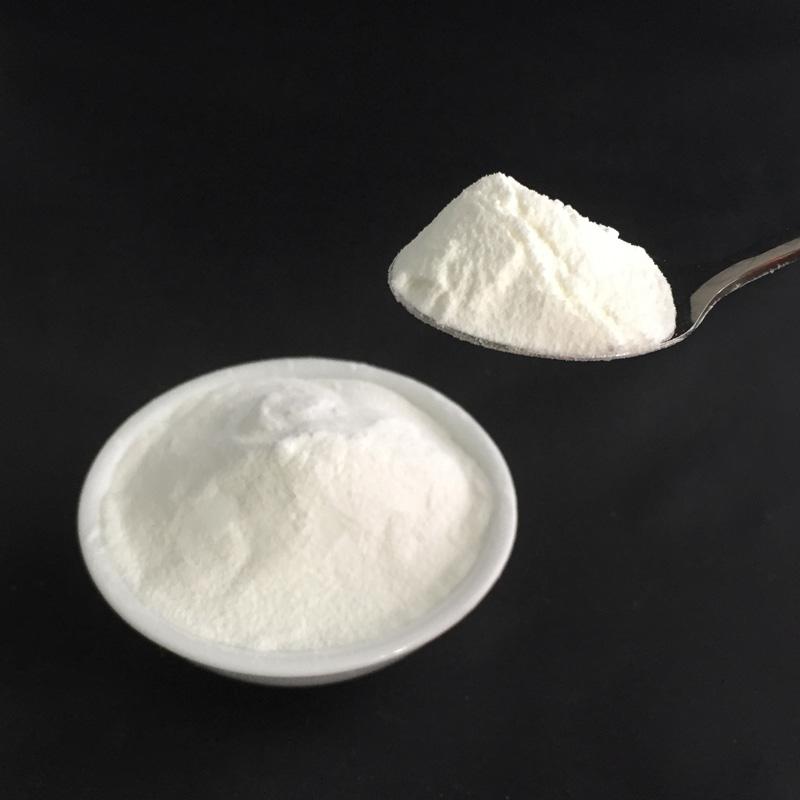
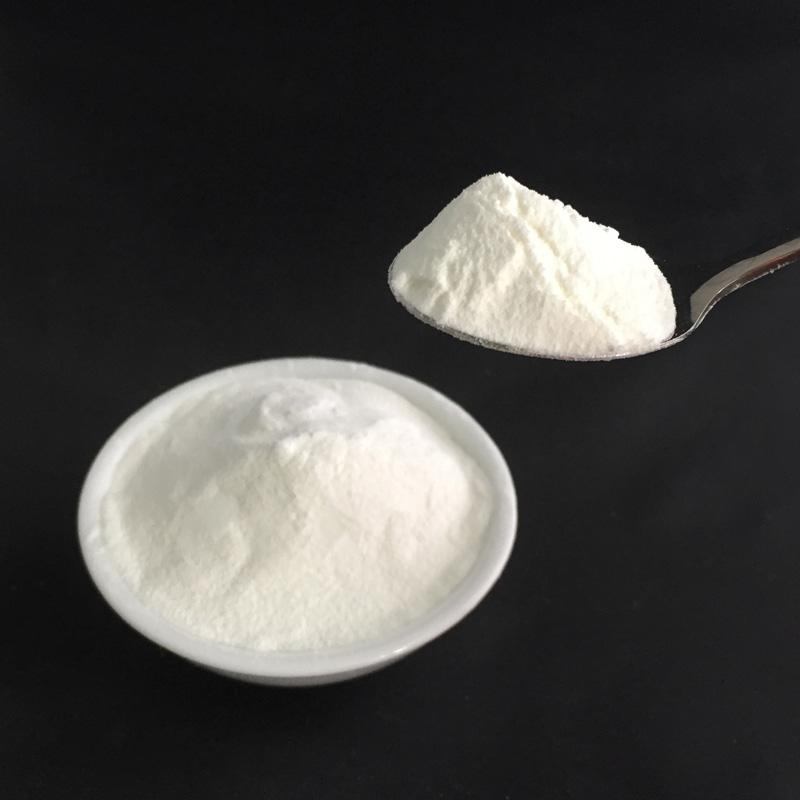
This is bulk ingredient trading at its most technical. Buyers are not herbalists but the procurement managers for large supplement brands formulating stress-relief and sleep-aid products, functional beverage companies adding it to "calming" drinks, and even cosmetic companies exploring its topical use. Orders are placed by the 25-kilogram bag, the pallet, or the full container load. The product is a pristine, odorless, slightly sweet-tasting white powder, packaged in sturdy, food-grade polyethylene bags within cardboard drums, its appearance belying its potent neurological activity.
Navigating the supplier base for GABA requires a focus on capability, not commodity. The market is divided between large, sophisticated fine chemical and biotech manufacturers and a layer of trading companies. The primary manufacturers, often with NSF or cGMP certifications, supply directly to major global brands. They provide full regulatory support, stability data, and traceability. The trading companies can offer flexibility and sometimes price advantages but add a step between the producer and the buyer. The key diligence for any purchaser is to verify the actual manufacturing source and its certifications, not just the trader’s paperwork. Third-party lab verification of purity and contaminants for the first shipment is a standard and wise practice.
The demand for GABA is rooted in a modern, research-informed quest for calm. Its appeal lies in its direct role in the nervous system, offering a science-backed narrative for over-the-counter relaxation and sleep support without the baggage of sedation. This consistent, growing demand—fueled by widespread stress and the consumer shift towards self-care—ensures a stable, long-term market. Chinese suppliers have adeptly moved beyond being mere chemical producers to offering value-added options: Non-GMO Project Verified GABA, organic-certified (where the input carbon sources are organic), and even custom particle sizes for specific formulation needs like stick packs or ready-to-mix beverages.
Ultimately, the story of wholesale GABA is one of modern alchemy. It is the translation of a fundamental brain chemical into a stable, scoopable, and shippable powder. This process, perfected in the high-throughput bioreactors and chemical plants of China, allows a product developer in California or the Netherlands to incorporate a precise, predictable dose of calm into a capsule or a drink mix. It demystifies neurochemistry, turning GABA from a complex biological concept into a reliable, bulk commodity. In this trade, tranquility is not found in a serene meadow, but in a perfectly controlled industrial fermentation tank, proving that sometimes, the most sought-after state of being comes neatly packaged by the kilo.

 English
 Arabic
 French
 Spanish
 Portuguese
 Deutsch
 Turkish
 Dutch
Dutch
 Russian
 Romaian
 Portuguese (Brazil)
 Greek
Greek