


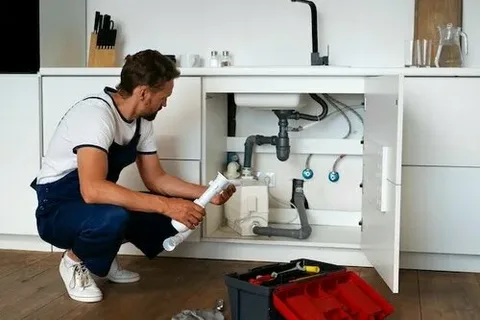
Did you know a faucet dripping once per second can waste over 3,000 gallons a year? That shocked this homeowner. Because small plumbing issues grow fast, quick action matters. So, when problems pop up, calling a plumber Upland keeps things safe and dry. And yes, these signs appear in normal homes like mine. Yet they point to bigger trouble behind walls and under floors. Thankfully, simple checks help spot risk early. Moreover, a few facts can guide smart choices. For example, some leaks spike bills before any stain shows. Additionally, older systems fail without notice. Therefore, use this guide to scan for risk today. Then plan help before costs explode. Ready to spot the seven big warnings? Let’s walk through each one, step by step.
1) Drips and Mystery Moisture Plumber
Drips look minor. Yet they tell a larger story. A steady drip wastes gallons and raises bills. Over time, that waste hurts both the home and the budget. Plus, lingering moisture invites mold and warped wood.
Meanwhile, hidden supply lines can leak without sound. Therefore, inspect under sinks and around valves often. Run a dry tissue along joints to catch moisture. Also, look for mineral crust on fittings. It often marks slow leaks. Next, check the meter when all taps are off. If the dial moves, water is escaping. At that point, call fast. Early repair saves drywall and floors. It also protects wiring near pipes. Finally, remember that a “quick twist” fix rarely lasts. For lasting peace, bring in pros with the right tools and parts.
2) Toilets That Never Rest
A toilet that runs won’t stop at a few gallons. In fact, a single running toilet can waste about 200 gallons each day. That hits hard on monthly bills. It also stresses septic or city systems. First, drop food coloring in the tank. Then wait ten minutes without flushing. If color shows in the bowl, the flapper leaks. Next, listen for a hiss after the tank fills. That sound suggests a bad fill valve. Moreover, weak flushes or double flushes hint at deeper issues. Mineral build-up or vent problems may be in play. So, swap worn parts if you have tools handy. However, schedule help if parts look corroded. A pro can check pressure, vents, and seals. With that, the toilet runs right, and bills settle down.
3) Slow Drains and Gurgles
Slow drains feel annoying. Still, they warn about bigger clogs or vent trouble. First, map where the slowdown happens. If only one sink stalls, the trap may be blocked. But if tubs, sinks, and toilets all gurgle, the main line might be compromised. Tree roots, grease, or wipes can choke that pipe.
Furthermore, repeated clogs signal a deeper cause. Old cast iron can rust shut from the inside. So, skip harsh chemicals that chew pipes and seals. Instead, try a hand auger for small traps. Then call for a camera scope when many drains act up. A scope finds cracks, bellies, and roots fast. As a result, you get a plan, not guesses. And with clear visuals, repairs target the exact problem, not the guess of the day.
4) Low Water Pressure (Quick Checks)
-
Check all fixtures first. If only one is weak, the aerator may be clogged.
-
Clean or replace the aerator screen. Mineral build-up reduces flow fast.
-
Compare hot vs. cold. If the hot water is weak, the water heater outlet may be scaled.
-
A plumber Upland can measure PSI and spot faulty valves.
-
With data in hand, fixes target the cause, not the symptom.
5) Water Heater Red Flags (Act Early)
-
Age matters. Tank models often last about 8–12 years.
-
Rusty hot water signals internal corrosion or a failing anode.
-
Rumbling or popping hints at heavy sediment on the bottom.
6) Sewer Odors and Health Concerns
That rotten-egg smell means trouble. Sewer gas often includes hydrogen sulfide and ammonia. While low levels may not be toxic, higher or ongoing exposure can trigger symptoms. Therefore, treat any odor as urgent. First, run water in rarely used fixtures. Dry P-traps let gas pass into rooms. Next, check the wax rings at toilets for leaks. Rocking bowls break the seal and release odors. Also, look for loose cleanout caps or cracked vent pipes. Because these systems balance pressure, breaks push smells indoors. Moreover, odors near floor drains suggest a failed trap primer. In that case, priming lines or trap inserts can help. Finally, when odor persists, request a smoke test. With non-toxic smoke, pros find the leak path fast. For full care, plumbing and heating services Upland can inspect vents and restore safe airflow.
7) Stains, Sounds, and Bill Spikes
Brown spots on ceilings tell a clear tale. Water moved where it should not. But stains are only part of the story. Hissing behind walls means a pinhole leak. Meanwhile, a rattling “water hammer” can crack joints over time. Also, sudden bill jumps often point to hidden leaks. Even small drips add up fast. And when leaks go unchecked, repair costs soar. Average water-damage claims often land in the five figures. Therefore, treat stains, noises, and bill spikes as urgent clues. Take photos, then shut the supply to the problem area. Next, call for help to prevent swelling floors and ruined drywall. A trusted plumber Upland can pressure-test, scan lines, and stop the damage. Then repairs can start before that ceiling caves in.
From Warning Sign to Fix: What to Do Next
These signs appear in everyday life. Yet each hints at bigger risk. So, choose action over worry. First, list what you see and hear. Then note when issues occur. After that, shut off the valves near the problem. Meanwhile, clear space for access to pipes and traps. With that prep done, call the pros. For whole-home care, plumbing and heating services Upland handle inspections, leaks, heaters, and vents. Moreover, they bring parts and testing tools to finish fast. Finally, plan simple upkeep. Flush the heater, replace worn hoses, and check caulk. As a result, surprise floods stay rare, and bills stay steady. And yes, share this guide with neighbors. A saved ceiling is worth it. For wellness support after the stress, book a session with Alpha Sports Massage and reset after the repair.

 English
 Arabic
 French
 Spanish
 Portuguese
 Deutsch
 Turkish
 Dutch
Dutch
 Italiano
 Russian
 Portuguese (Brazil)
 Greek
Greek