


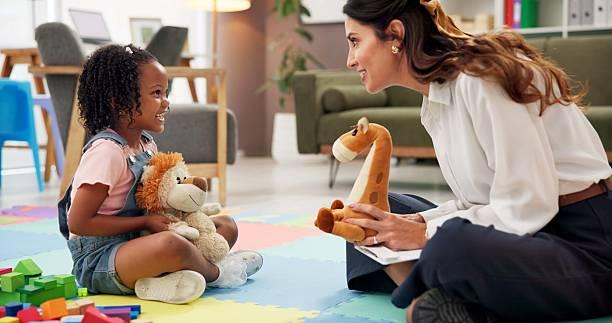
Let’s be honest—school can be tough for many kids. Not just because of math or spelling tests. But also because making friends, sharing, and just “fitting in” can feel really hard. We’ve seen it again and again: a child with a kind heart but no words to say it. A kid who wants to join the group but doesn’t know how. That’s where something powerful comes in. Child play therapy St. George has changed how we support kids through these tricky social moments. It's not just playing—it's also a proven way to help children express themselves, gain confidence, and build healthy relationships.
Through guided play, they open up. They also explore feelings. And they start to grow in ways we never imagined possible. So, let’s walk through how this amazing therapy helps kids who struggle socially in school—because no child should feel left out.
What Makes Social Struggles So Common? How Does Child Play Therapy Help?
Even the brightest kids can feel unsure in social settings. Sometimes, kids don’t understand body language. They might also interrupt or withdraw. Others may fear being judged or laughed at. We’ve worked with many children like this, and it’s more common than people think.
Social challenges can show up in different ways:
- Refusing to go to school
- Getting left out at recess
- Trouble working in groups
- Sudden anger or tears when misunderstood
The reasons behind these struggles vary. Some kids have anxiety. Others are on the autism spectrum. Some also have experienced trauma. And others just haven't learned certain skills yet. So, that’s where child-focused therapy steps in to support real growth.
What Is Play Therapy, Really?
Play therapy isn't just toys and games. It’s a child’s way of speaking. When kids can’t say what they feel, they show it through play. And that gives us a window into their thoughts, fears, and hopes. Therapists also use specific tools and toys to encourage expression. Children act out scenes, build with blocks, or paint their feelings. During the session, the therapist gently guides the child, helping them connect play with real-life challenges.
It’s a safe space where nothing is “wrong.” Kids can be loud, messy, silly—or quiet. They also learn to trust, feel seen, and practice new ways to interact with others. Over time, this also builds self-worth and social courage.
How CBT Helps Build Social Skills
Sometimes, we mix play therapy with other tools. One of the most helpful is CBT St. George—short for Cognitive Behavioral Therapy. This approach also helps children notice their thoughts, feelings, and actions—and change patterns that aren't working for them.
For example, a child who believes, “No one likes me,” may avoid others. In CBT, we help the child test that belief. We guide them to find moments of connection they didn’t notice before. We also help them learn new ways to handle teasing, sharing, or group work. When we combine CBT and play, kids learn in fun ways. They also play out new stories where they’re confident and connected. And it sticks—because it also feels real.
Changing the Way Kids Think and Feel
As therapists, we know kids don’t always understand their emotions. One minute, they’re fine. Next, they’re upset or frozen. With CBT St. George, we teach them to pause and reflect. We might ask, “What did you feel right before you walked away?” Or, “What did your body feel like when that happened?” In addition, helping kids name emotions is the first step to changing how they act around others.
Over time, children start using these skills on their own. They speak up. They also wait for their turn. Moreover, they tell a teacher how they feel instead of lashing out. And those wins, big or small, change their school experience completely.
How Play Builds Real-World Confidence
Here’s where things get exciting. What happens in the therapy room doesn’t stay there. Kids also take it into their real lives. When they practice sharing during a game, they try it at lunch. When they rehearse asking a friend to play, they give it a shot on the playground.
Using child play therapy St. George, we’ve seen children go from isolated to included, from anxious to assertive. It’s not magic—it’s also consistency. And it works. The playroom also becomes their practice field. They also make mistakes, try again, and get cheered on. Slowly, their social fears shrink. Moreover, their courage grows. And school no longer feels like a scary place.
Is This Right for Your Child?
We often get asked, “Is this really going to help?” If your child struggles with friendships, avoids group work, or feels anxious at school, therapy can absolutely help. Through our experience offering child play therapy St. George, we’ve seen shy kids become social butterflies. We’ve also watched kids with anger issues learn to talk it out. Every child is unique—but every child can grow with the right tools.
We also work with families. Parents get support too, with tips to keep the progress going at home. When we all work together—therapists, parents, teachers—kids thrive.
Let’s Look at How It Helps Over Time
Here’s a simple breakdown of how child play therapy supports kids from session one through later stages.
| Phase | What Kids Experience |
|---|---|
| Starting Out | Build trust, get to know the therapist |
| Exploring Feelings | Express emotions through play. |
| Skill Building | Practice sharing, taking turns, and using words |
| Problem Solving | Learn new ways to handle conflict or rejection. |
| Confidence Growth | Try skills at school, talk about successes. |
| Ongoing Support | Keep growing and adjusting with each session. |
Every Child Deserves a Chance to Shine
We believe in every child’s ability to connect, grow, and feel proud of who they are. School should be a place where they feel safe and supported—not scared or left out. Therefore, we love what we do. At A Child’s Hopeful Journey, we’ve seen lives transform through play, connection, and care. Whether it’s through CBT or creative play, we help kids break through the walls that hold them back. And we walk with families every step of the way. So, if your child is struggling, don’t wait. Help is here—and it starts with one small, hopeful step.

 Arabic
 French
 Spanish
 Portuguese
 Deutsch
 Turkish
 Dutch
Dutch
 Italiano
 Russian
 Romaian
 Portuguese (Brazil)
 Greek
Greek