


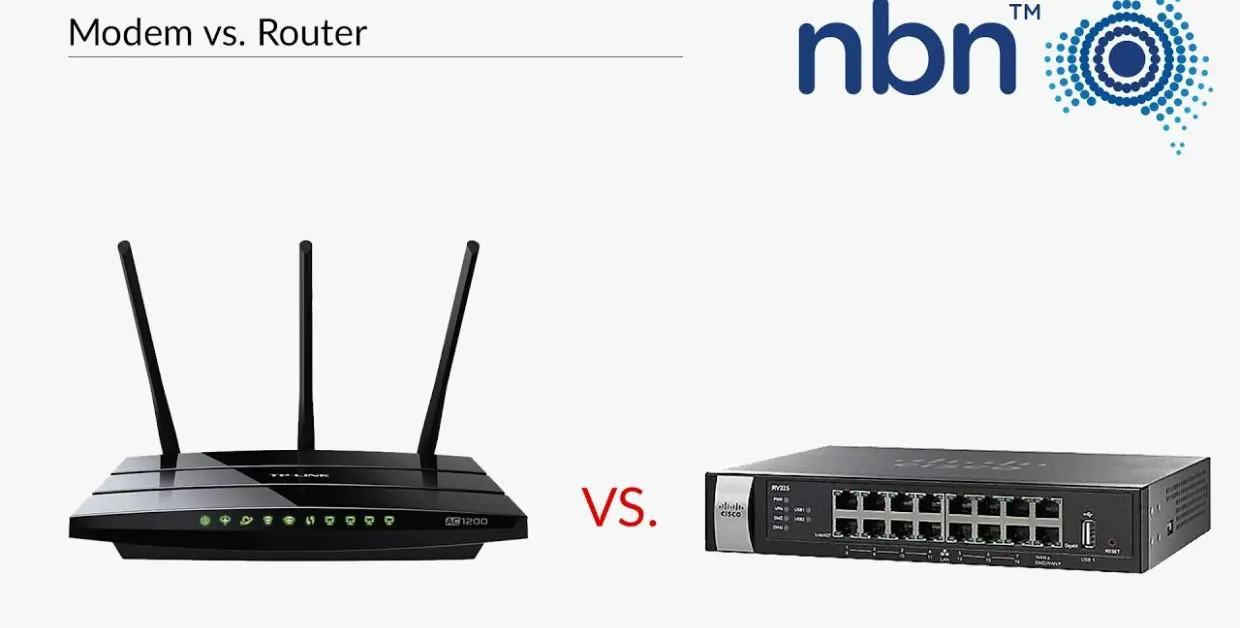
It is one of those questions that sounds simple until you actually stop and think about it. You have internet service. Your provider installed a modem. The lights are blinking. So why does everyone keep talking about routers as if they are essential?
The short answer is sometimes yes and sometimes no. The long answer is far more interesting and far more useful because it helps you understand how your internet really works and how to make it work better for you.
Let us break this down in a way that actually changes how you think about your home or office internet rather than just throwing technical definitions at you.
What a Modem Really Does
Think of the modem as a translator.
Your internet service provider sends data over cables that were never designed for modern internet traffic. These cables might be fiber lines coaxial cables or even phone lines depending on your connection type. The data traveling through them does not look like something your laptop or phone can understand.
The modem’s job is to translate that signal into digital data your devices can use. It opens the door between your internet provider and your personal network.
Here is the key insight most people miss. A modem does not create a network. It simply gives you access to the internet.
If you connect one device directly to a modem using an Ethernet cable that device can go online. But the modem is not designed to manage multiple devices share connections intelligently or protect your network in a meaningful way.
That is where the router enters the story.
What a Router Actually Changes
A router is not just another box with blinking lights. It is the brain of your local network.
Instead of connecting one device directly to the internet a router creates a private network inside your home or office. All your devices connect to the router and the router manages how data moves between them and out to the internet.
This changes everything.
Suddenly you can connect multiple devices at the same time. Your phone laptop smart TV security cameras and even your fridge can all share one internet connection smoothly.
More importantly the router acts as a gatekeeper. It decides what traffic is allowed in and out. This is a huge part of basic internet security that many people underestimate.
Without a router your device is directly exposed to the internet. With a router you add a layer of protection that shields your devices from a lot of unwanted traffic.
When You Might Not Need a Router
Now let us be honest. There are situations where you technically do not need a separate router.
If you have only one device and you are comfortable using a wired connection you can plug that device directly into the modem. This setup might work fine for a single desktop computer in a very controlled environment.
Some internet service providers also give you a device that combines both a modem and a router into one unit. In that case you already have a router built in even if you are not aware of it.
If your modem has WiFi and allows multiple devices to connect then it is not just a modem. It is a modem router combo. You do not need to buy a separate router unless you want better performance or more control.
The mistake people make is assuming all modems are the same. They are not.
The Reality of Modern Internet Use
Let us step back and look at how people actually use the internet today.
You might think you only have a few devices but when you count properly the number grows fast. A phone. A laptop. A tablet. A TV. A game console. Smart speakers. Cameras. Watches. Even light bulbs.
All of these devices are competing for bandwidth. They are all sending and receiving data at the same time.
A modem alone is not designed to manage this complexity. A router is built specifically for this role. It prioritizes traffic keeps connections stable and prevents one device from slowing everything else down.
This is why people often say their internet feels slow even though their plan promises high speeds. The issue is not always the internet connection itself. It is often the lack of a capable router.
The WiFi Factor
Here is a question that changes the whole conversation.
Do you want WiFi?
If the answer is yes then you need a router. Modems do not create WiFi networks on their own unless they include router functionality.
WiFi is not magic. It is simply your router broadcasting your internet connection wirelessly so devices can connect without cables.
No router means no WiFi. It really is that simple.
Even if your modem has a WiFi signal it is still acting as a router behind the scenes.
Performance Is About More Than Speed
Most people focus on internet speed numbers because they are easy to compare. But performance is about more than speed.
A good router improves stability range and consistency. It reduces dropouts handles multiple devices better and often provides smarter traffic management.
Imagine a busy intersection with no traffic lights. Cars crash traffic backs up and everything slows down. That is what a modem only setup looks like with multiple devices.
A router adds traffic control. It keeps things moving smoothly even when demand increases.
This is especially important if you work from home stream video content play online games or use video calls regularly.
Security Is the Silent Advantage
Security is rarely the reason people buy a router but it is one of the most important benefits.
Routers provide basic firewall protection. They hide your devices from direct exposure to the internet. They block many automated attacks before they ever reach your laptop or phone.
Without a router your device is far more visible to the outside world. That might not sound scary until you remember how many automated scans and attacks happen every day across the internet.
A router gives you breathing room. It gives you control. It gives you peace of mind.
Control and Customization Matter More Than You Think
A router is not just about connectivity. It is about control.
With a router you can create guest networks limit access for certain devices manage parental controls and prioritize work traffic over entertainment traffic.
You can see what is connected to your network. You can spot unfamiliar devices. You can change passwords easily.
A modem alone does not offer this level of visibility or control.
People often realize this only after something goes wrong. A slow connection. A hacked device. An unknown device using bandwidth.
At that point the value of a router becomes very clear.
The Hidden Cost of Not Using a Router
Here is a perspective most guides never mention.
Not using a router can cost you more in the long run.
You might save money upfront by skipping a router but you pay in frustration downtime and poor performance. You might pay in security risks. You might pay in lost productivity.
If you work online or rely on stable internet even small disruptions add up quickly.
A router is not an extra. It is infrastructure.
Choosing Simplicity or Choosing Capability
Some people avoid routers because they think they are complicated. That used to be true years ago. It is not true anymore.
Modern routers are designed for regular people. Setup often takes minutes. Apps guide you through the process step by step.
You do not need to be technical to benefit from a router. You just need to understand what it gives you.
And what it gives you is freedom.
Freedom to connect multiple devices. Freedom to move around wirelessly. Freedom from constant connection issues. Freedom from wondering why your internet feels unreliable.
So Do You Need a Router or Not
Here is the honest answer.
If you only have one wired device and no interest in WiFi you might not need a separate router.
If you have multiple devices want WiFi care about security stability and control then yes you absolutely need a router.
In fact most people already have one without realizing it because their modem includes router functionality.
The real question is not whether you need a router. The real question is whether your current setup supports how you actually use the internet.
When you see the modem as a doorway and the router as the system that organizes everything beyond that door the decision becomes obvious.
Internet today is not about access alone. It is about experience.
And the router is what shapes that experience.
If you want internet that feels reliable secure and built around your life rather than fighting against it a router is not optional. It is essential.

 English
 Arabic
 French
 Spanish
 Portuguese
 Deutsch
 Turkish
 Dutch
Dutch
 Russian
 Romaian
 Portuguese (Brazil)
 Greek
Greek