


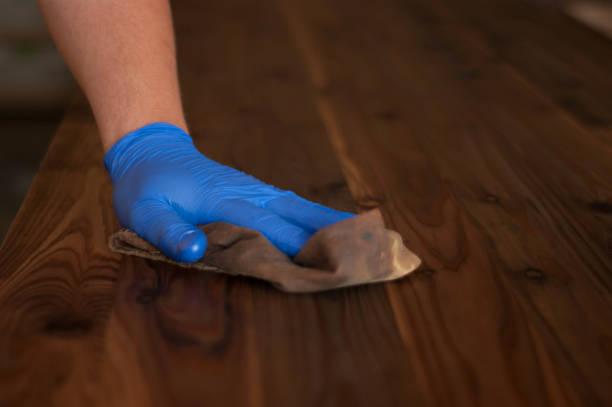
If you’ve ever walked barefoot across your hardwood floors and noticed ridges, dips, or small gaps between the planks, you’re not alone. These issues—cupping and gaps—are common in wood floors. As professionals offering wood floor refinishing service Evans, we deal with these problems regularly. And let us tell you—it’s not just about making your floors look better. It’s about making them last longer and feel smoother underfoot. Let’s walk through how we handle cupping and gaps during refinishing. We’ll also share how to know when it’s time to give your floors some much-needed attention.
What Causes Gaps and Cupping in Wood Floors? Get a Wood Floor Refinishing Service
Wood is a natural material that reacts to moisture and temperature. When it’s humid, wood soaks up moisture and expands. In dry weather, it shrinks. This back-and-forth movement can also create gaps or cause boards to raise at the edges, a phenomenon known as cupping.
Cupping often shows up after a spill, plumbing leak, or during muggy months. Gaps tend to appear in colder seasons when the heat is on and the air is dry. Floors that haven’t been sealed well or installed properly can show signs sooner. Moreover, understanding the root cause enables us to treat the issue effectively.
First Step: A Thorough Floor Inspection
Before we begin any refinishing work, we thoroughly inspect the entire floor to ensure it is in good condition. We also want to see how deep the cupping is and how wide the gaps are. This helps us determine what your floor truly needs.
So, here’s what we look for:
-
Signs of water damage, moisture problems, or leaks
-
Loose boards or nails sticking out
-
Major uneven spots that may need sanding
-
Whether the boards are solid or engineered hardwood
We Let the Floor Acclimate First
Before fixing cupping, we often wait. Yep, sometimes doing nothing is the smartest move. If the wood is swollen due to moisture, we allow it time to dry out. Using a dehumidifier helps speed up the process. We also maintain a steady room temperature and humidity.
Why do we wait? Because sanding cupped boards too soon can ruin them. Once the wood levels out naturally, it’s safer to sand. This patience protects the life of your floor.
Sanding Down the High Spots
Once the floor has dried and settled, we bring in our sanding equipment. This is where the magic starts. We also smooth out the raised edges from cupping using a special sanding process. Our tools are built for jobs like this. Moreover, they allow us to take off just enough of the wood’s surface to even it out.
In some cases, we use hand tools for tough corners. During refinishing, people often search for “flooring and tiling services near me” when they want their floors to feel fresh again. A good sanding job is the first step to that feeling.
Filling in Gaps the Smart Way
Now let’s talk gaps. Some gaps are just too wide to ignore. After sanding, we inspect each board for spacing. For narrow gaps, we use a wood filler that matches the floor’s color. We apply it before the final sanding round.
For bigger gaps, we might use slivers of wood called splines. We glue them in, sand them smooth, and then finish them over. That way, you won’t even notice them later. Anyone searching for “flooring and tiling services near me” might not realize the level of detail that goes into closing gaps seamlessly. However, with the right tools and years of hands-on experience, we can make those gaps disappear as if they were never there.
How We Use Moisture Control to Prevent Future Problems
Fixing floors is one thing. Preventing the problem from coming back is just as important. After refinishing, we often recommend sealing the floor to prevent moisture from entering. We also provide guidance on maintaining room humidity between 35% and 55%. This helps prevent wood from shrinking and swelling. A good HVAC system or a simple humidifier can make a significant difference.
As part of our wood floor refinishing service Evans, we also inspect crawl spaces and basements under wood floors. If moisture is rising from below, we might suggest a vapor barrier. These small details also protect your investment in the long term.
Choosing the Right Finish
Once gaps and cupping are handled, it’s time to choose a finish. We also offer various options depending on the amount of foot traffic you receive and your lifestyle. Before we apply anything, we talk through what works best for your home.
Here’s a quick breakdown:
-
Oil-based poly: Strong and lasts long, but takes longer to dry
-
Water-based poly: Dries fast and has low odor
-
Hardwax oils: Natural feel and look, but needs more upkeep
-
Aluminum oxide finishes: Great for durability in high-traffic spots
This step gives the floor its new look and protects all the hard work we did earlier.
How We Keep Our Refinishing Service Smooth and Clean
We get it—no one likes dust all over the house. Therefore, we use dustless sanding systems. They capture 95% of the dust before it spreads. We seal off work areas and clean up daily. We also schedule jobs in ways that won’t disrupt your routine too much. Communication is key. We tell you what to expect, how long it’ll take, and how to care for the floor afterward.
When customers hire us for wood floor refinishing service Evans, they often thank us for keeping things clean and quick. We take pride in making the process as smooth as possible.
Signs Your Floor Needs Refinishing vs. Replacement
| Issue | Fixable with Refinishing | Needs Replacement |
|---|---|---|
| Small gaps between boards | ✅ | ❌ |
| Slight cupping or warping | ✅ | ❌ |
| Major water damage | ❌ | ✅ |
| Deep scratches and dents | ✅ | ❌ |
| Boards are moving or shifting. | ❌ | ✅ |
Let’s Get Those Floors Looking Great Again
Wood floors undergo considerable wear and tear over the years. Between moisture, pets, furniture, and everyday foot traffic, they start to show wear. But don’t worry—these problems don’t mean you need brand-new floors.
At Davis Flooring LLC, we’ve helped many families revive their wood floors. And we’d love to help you, too. Whether it’s small gaps or deep cupping, we know what to do—and we do it right. Ready to get started? Let’s talk about floors.

 English
 Arabic
 French
 Spanish
 Portuguese
 Turkish
 Dutch
Dutch
 Italiano
 Russian
 Romaian
 Portuguese (Brazil)
 Greek
Greek