


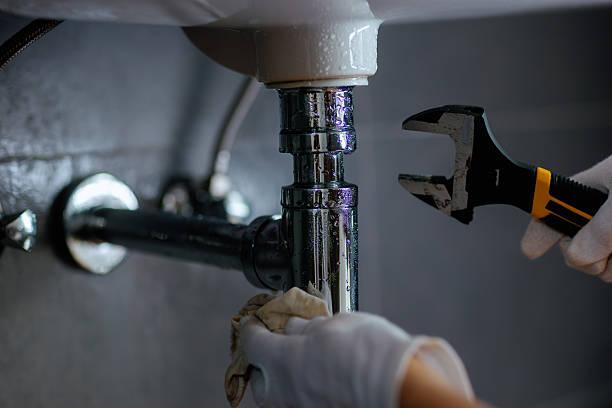
Major leaks feel scary. Water spreads fast and hides well. Also, mold can start growing in as little as 24 to 48 hours. That means every hour matters. When you call an emergency plumber, you do more than stop a drip. You protect your walls, floors, and air. You also protect your budget, because mold cleanup can cost a lot. Even worse, mold can make your home smell musty and feel unsafe.
So, the smartest move is quick action with a clear plan. In this guide, you will learn how our emergency plumber Pittsburgh helps prevent mold after a big leak. You will also learn what you can do right away to speed up drying and avoid repeat problems.
1) Stop The Water Fast To Stop Mold Growth
A major leak keeps feeding moisture into your home. So, the first job is to stop the source. The plumber shuts off the right valve, then fixes the break. That may mean replacing a burst pipe, a failed connector, or a cracked valve. Next, the plumber checks nearby lines, because one weak part often means others follow.
An emergency plumber Pittsburgh provides more than quick repairs—you also get guidance. Clear steps and a fast response help you feel in control while the problem is handled safely.
Before water spreads again, do these simple actions:
-
Turn off the main water valve.
-
Move small items off wet floors.
-
Unplug electronics near puddles.
-
Take quick photos for your records.
Because you act early, you reduce damage. As a result, you lower mold risk.
2) Remove Standing Water And Trapped Moisture Right Away
Fixing the leak helps, yet water left behind still feeds mold. So, removal comes next. A plumber may use pumps, wet vacs, and extraction tools. They focus on low spots, under cabinets, and around baseboards. Also, they look for water that runs into crawl spaces or floor vents.
“Mold loves damp, dark places. If water stays, mold will follow.”
After extraction, the plumber may pull access panels or toe-kicks. That step helps water escape. Then air can move through the space, which speeds drying. For you, the benefit is simple. You avoid hidden rot and foul smells later. Also, you reduce the chance that a small leak turns into a big rebuild.
3) Emergency Plumber Pittsburgh Drying Plan: What Happens In The First 48 Hours
Drying is not guesswork. It needs timing and checks. So, a strong plumber follows a clear order. First, they confirm the leak is fully stopped. Next, they remove as much water as possible. Then, they push drying deeper into materials.
Here is a simple timeline you can follow at home:
| Time after the leak | What the plumber focuses on | What you can do | Why it helps |
|---|---|---|---|
| 0–2 hours | Shutoff + repair + safety check | Ventilate if safe | Limits spread fast |
| 2–12 hours | Water extraction + access openings | Lift rugs, blot water | Removes fuel for mold |
| 12–24 hours | Airflow + dehumidifying | Run fans, keep doors open | Dries hidden pockets |
| 24–48 hours | Moisture re-check + spot fixes | Watch for damp smells | Catches mold early |
Because you follow this plan, you cut down mold chances in a big way.
4) Find Hidden Water Before It Turns Into Hidden Mold
Water loves to travel. It slips behind walls and under floors. So, a plumber looks beyond what you can see. They check ceilings under bathrooms, drywall near baseboards, and floors around toilets. Also, they pay close attention to closets and corners.
Water damage isn’t always immediately visible. That’s why a trusted plumbing company Pittsburgh checks moisture levels to locate trapped water. Drywall and flooring can retain moisture internally, even when they seem dry at first.
“If it feels dry on the surface, it can still be wet underneath.”
Your win is huge. You avoid surprise mold months later. Plus, you avoid repainting and replacing materials twice.
5) Use Controlled Airflow And Dehumidifying To Dry The Home Faster
After a major leak, air movement becomes your best friend. Still, random fan use can miss the wettest spots. So, a skilled plumber helps set airflow with purpose. They aim air across wet surfaces, not straight into them. They also guide you on when to open windows and when to keep them closed.
Moisture control doesn’t end with drying. If a backup caused the leak, drain cleaning and clearing near me can help address the source of the problem. By stopping the clog, you prevent repeat overflows and keep wastewater, moisture, and germs from re-entering walls and floors.
6) How Pros Prevent Mold Inside Walls
This part matters most because mold often starts where it is not visible. So, pros follow a step-by-step process.
-
Moisture mapping
They check wet zones in a pattern. Then they mark the edges of moisture. This helps them avoid missed pockets.
-
Smart opening, not full demolition
They open only what they must. For example, they may remove a small drywall section to release trapped water. Therefore, drying works faster with less mess.
-
Targeted cleaning and safe handling
They remove wet debris fast. Also, they bag and seal materials to limit spores. In addition, they guide you on safe cleanup steps.
When damage is extensive, a plumbing company Pittsburgh often coordinates with trusted restoration partners. This teamwork speeds up the drying process, improves repairs, and helps your home recover more efficiently and effectively.
7) Prevent Repeat Leaks That Keep Feeding Mold
Even the best drying fails if water returns. So, prevention is part of mold control. A plumber checks water pressure, valve wear, and pipe joints. They also inspect seals around tubs and toilets. In older homes, they may suggest updating weak supply lines.
When our emergency plumber Pittsburgh handles the repair, ask for a “cause check.” That means they explain why the leak happened. Then they show how to stop it next time.
Also, watch for these warning signs:
-
Water stains that grow over days
-
Paint that bubbles or peels
-
A musty smell that returns
-
Floors that feel soft near walls
Because you catch problems early, you avoid a second flood.
8) Simple Homeowner Moves That Support Pro Work
You can help speed up drying with a few simple daily actions. Keep indoor air circulating by leaving doors open to affected rooms and removing wet fabrics as soon as possible. Avoid running HVAC settings that spread damp air through the home. If the leak originated from a backup, searching for drain cleaning and clearing near me is a smart addition. Clearing the clog addresses the root cause—so you fix the problem, not just the puddle.
FAQ
How fast can mold start after a leak?
Mold can start in 24 to 48 hours when moisture stays trapped.
Should I paint over water stains?
No. First, dry the area fully, or the stain and mold may return.
Do I need to replace wet drywall?
Sometimes. If it stays wet or crumbles, replacement helps prevent mold.
Because a Dry Home Should Stay Dry
Don’t let a rough leak turn into repeat damage. Day to Day Plumbing is here to help you restore dryness and keep it that way.
Contact us today for emergency plumbing service.

 English
 Arabic
 French
 Spanish
 Portuguese
 Deutsch
 Turkish
 Dutch
Dutch
 Italiano
 Russian
 Portuguese (Brazil)
 Greek
Greek