


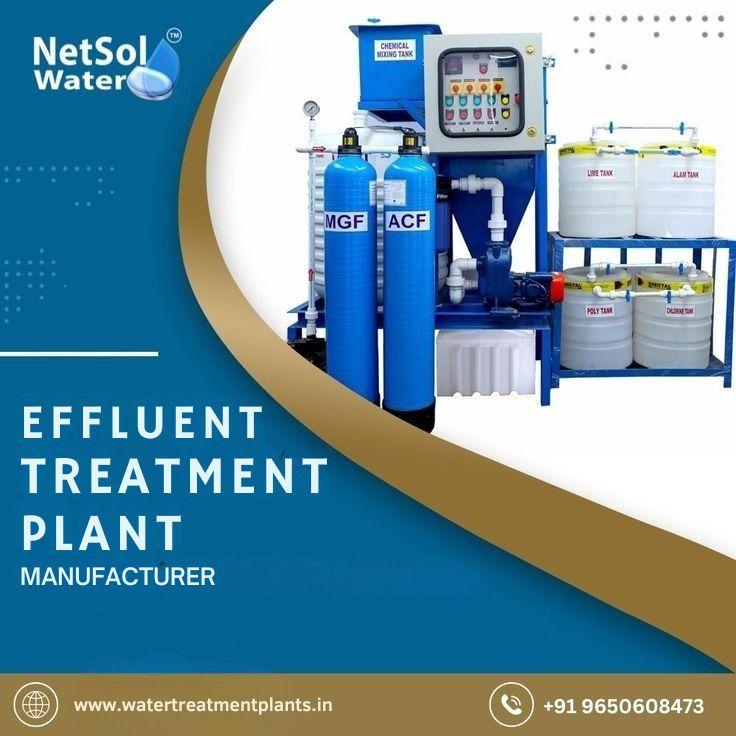
With industrialization rapidly increasing, the production of wastewater has become a critical environmental concern. Untreated or improperly treated effluent from industries such as textiles, pharmaceuticals, chemicals, food processing, and paper manufacturing can pollute rivers, groundwater, and soil, creating long-term ecological damage. To address this challenge, effluent treatment plant manufacturers provide advanced solutions that enable industries to treat wastewater effectively and operate sustainably. Their role is crucial in supporting eco-friendly practices while ensuring compliance with stringent environmental regulations.
Understanding Effluent Treatment Plants (ETPs)
Effluent treatment plants are specialized systems designed to treat industrial wastewater before it is discharged into the environment or reused in industrial processes. Wastewater from industries typically contains a mix of harmful chemicals, suspended solids, organic matter, and microorganisms that can adversely affect ecosystems and human health if not treated properly. ETPs remove or neutralize these pollutants, producing treated water that meets regulatory and environmental standards.
Modern ETPs typically involve multiple stages of treatment:
-
Primary treatment: Removes large solids, grit, and floating debris through sedimentation or screening processes.
-
Secondary treatment: Utilizes biological processes, such as activated sludge or microbial digestion, to break down organic matter.
-
Tertiary treatment: Includes advanced filtration, chemical treatment, membrane filtration, or reverse osmosis to remove residual contaminants and achieve high-purity water.
-
Sludge management: Ensures safe handling, treatment, and disposal of solid residues generated during the treatment process.
By combining these processes, ETPs ensure that industrial effluent is safe for disposal or reuse, protecting both the environment and public health.
Supporting Eco-Friendly Industrial Practices
Eco-friendly industries prioritize sustainable water management, resource conservation, and minimal environmental impact. ETP manufacturers play a pivotal role in helping industries achieve these goals through:
-
Effective wastewater treatment: Removal of toxic substances, suspended solids, and organic matter ensures that discharged water does not harm the environment.
-
Water reuse and recycling: Treated water can be reused in industrial processes such as cooling, cleaning, or irrigation, reducing dependence on fresh water sources.
-
Reduction of environmental pollution: Properly treated effluent prevents contamination of rivers, lakes, and soil, supporting local ecosystems and biodiversity.
-
Regulatory compliance: Industries can meet national and international standards, such as the Central Pollution Control Board (CPCB) guidelines in India or EPA regulations in the United States, avoiding fines and reputational risks.
Customization for Industry-Specific Needs
Different industries generate effluent with unique characteristics, requiring tailored treatment solutions. For instance:
-
Textile industries produce wastewater rich in dyes, salts, and chemicals that require color removal and chemical neutralization.
-
Pharmaceutical industries generate effluent containing active chemical compounds and high organic loads, demanding precision treatment to meet strict regulatory standards.
-
Food and beverage industries discharge water high in fats, oils, and organic matter, necessitating biological treatment and filtration systems.
ETP manufacturers design customized solutions that address these specific challenges, ensuring maximum efficiency and compliance. They consider factors such as daily water volume, pollutant concentration, and local regulations to deliver systems that are both effective and sustainable.
Advanced Technologies for Sustainable Water Management
Modern ETPs incorporate advanced technologies to maximize treatment efficiency and sustainability. Some of these include:
-
Membrane technologies: Reverse osmosis (RO), ultrafiltration (UF), and nanofiltration (NF) remove dissolved salts, heavy metals, and microscopic contaminants.
-
Automation and control systems: Real-time monitoring of water quality ensures consistent performance and reduces operational errors.
-
Energy-efficient designs: Optimized pumps, motors, and treatment cycles minimize energy consumption, lowering operational costs and environmental impact.
-
Sludge treatment solutions: Safe handling and disposal of solid residues prevent secondary pollution and support resource recovery initiatives.
These technologies not only ensure effective wastewater treatment but also promote water conservation and energy efficiency, making industrial operations more eco-friendly.
Long-Term Environmental and Economic Benefits
By implementing well-designed ETPs, industries can achieve several long-term benefits:
-
Reduced freshwater consumption: Recycling treated water minimizes reliance on natural water sources.
-
Lower environmental impact: Cleaner discharge protects rivers, lakes, and soil from contamination.
-
Cost savings: Reusing water reduces water procurement costs, while energy-efficient systems reduce electricity consumption.
-
Regulatory assurance: Compliance with environmental standards protects industries from legal penalties and strengthens their corporate reputation.
Conclusion
Effluent treatment plant manufacturers are indispensable partners in promoting eco-friendly industrial practices. Through customized, advanced, and sustainable wastewater treatment solutions, they help industries reduce their environmental footprint, conserve water resources, and meet regulatory requirements. In an era where sustainable development is critical, ETP manufacturers enable industries to operate responsibly while contributing to a cleaner, safer, and more environmentally conscious future.

 English
 Arabic
 French
 Spanish
 Portuguese
 Deutsch
 Turkish
 Dutch
Dutch
 Italiano
 Romaian
 Portuguese (Brazil)
 Greek
Greek