


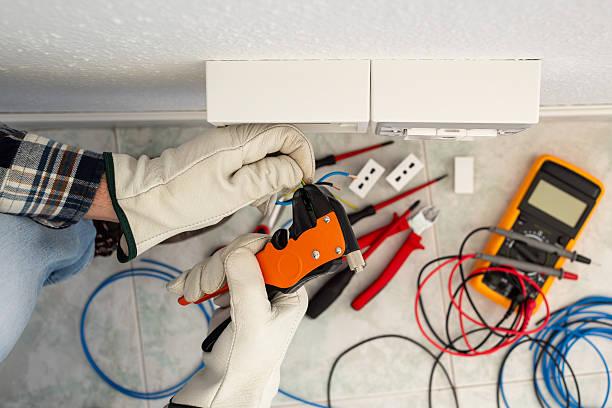
EVs feel exciting. They feel clean and quiet. But charging at home should also feel safe. That feeling starts before the charger goes on the wall. It begins with your home’s power setup. When you plug in every night, you want peace. You want your kids to be safe. Then, you want your lights steady. You also want a system that lasts for years.
That is why many homeowners call our electrician Bridgewater for help. A trained electrician can spot risks early. They can plan the best route for wiring. They can also prepare your home for faster charging. Most of all, they can make the process simple. So you can enjoy your EV, not stress about power.
1) Start With a Safety-First Home Check
A home EV setup should feel boring in a good way. It should work every time. First, an electrician inspects your panel, breakers, and wiring. Then they look for heat marks, loose lugs, and old parts. After that, they test how much power your home already uses.
In many Bridgewater homes, electrical panels are already heavily loaded. That’s why our expert electrician Bridgewater, starts by confirming your panel can safely support a new EV charger. We also inspect grounding and bonding to ensure everything meets safety standards. These essential checks help prevent electrical shocks, reduce fire risk, and protect your home long term.
Before any work begins, a good check usually covers:
-
Your panel rating and open breaker spaces
-
Wire size and wire condition
-
Signs of overload, like warm breakers
-
Safe paths for cable runs and drilling
Because this check finds problems early, it saves money later. It also protects what matters most.
2) Choose the Best Charger Location and Plan the Wiring Path
Location matters more than most people think. If the charger sits in the wrong spot, daily life feels harder. So, an electrician helps you pick a place that fits your routine. They also keep the cord away from doors and walkways. That reduces trips and damage.
Next, they plan the circuit path. Shorter paths often cost less. However, safe paths matter more than short paths. For example, an electrician avoids wet areas when possible. They also protect wires inside walls or conduit.
In addition, they help match the charging level to your needs. Here is a simple guide:
| Charging option | Typical power | What it’s like at home | Best for |
|---|---|---|---|
| Level 1 (120V) | Low | Slow, but simple | Light daily driving |
| Level 2 (240V) | Medium to high | Much faster overnight | Most EV owners |
| Future-ready setup | Varies | Built to expand later | Growing households |
So, good planning keeps charging easily, and your garage is neat.
3) Know When Your Electrical Panel Needs More Power
Many EV chargers need a 240-volt circuit. That can push an older panel too far. So, an electrician checks your “service size,” like 100A or 200A. They also do a load review. This review adds up big items like HVAC, dryers, and ovens. Then it shows how much room you have left.
If your home has little room, you may need changes. Sometimes you need a new panel. Other times, you need a subpanel. Either way, upgrades keep the system stable.
“A strong EV setup starts where your power enters the home.”
In a separate step, homeowners often search for electrical panel upgrades near me when breakers trip frequently. That search makes sense. Yet the safest choice comes from a real onsite check. Because every home load is different, the right fix should match your home, not a guess.
4) Manage Loads So Your Home Stays Calm and Steady
EV charging should not fight your other needs. You still want hot showers. You still wish to have heat and AC. So, electricians use load management ideas to keep the balance. This can prevent flicker and trips.
-
Why load management helps
First, it protects your main breaker. It also keeps wires cooler. So, parts can last longer.
-
Common ways electricians balance power
Next, they may adjust when charging runs. They can also set limits for charging current. In some homes, they add a load control device. That device can pause charging when the home peaks. Then it restarts when power frees up.
-
What you get from Smart Balance
As a result, you get smoother evenings. You also avoid surprise shutdowns. Plus, your EV still charges reliably overnight.
Because this step focuses on comfort, it feels like a quality-of-life upgrade.
5) Permits and Inspections Made Simple with Electrician Bridgewater Know-How
Permits can feel stressful. However, they exist for a good reason. They confirm the work meets safety rules. They also help protect resale value. So, a licensed electrician handles permit needs and schedules inspections.
Next, they follow code rules for breaker sizing and wire size. They also follow placement rules. For example, they keep equipment away from unsafe areas. They also use correct fittings and supports. In addition, inspections give you proof. That proof can help with home insurance questions later. It can also help if you sell your home. Buyers like clean paperwork. They also want safe upgrades.
Most homeowners want one clear path. They want fewer surprises. Therefore, permits and inspections should feel like support, not a headache. When handled well, this step builds trust. It also lowers the risk for your family.
6) Install the Charger With Clean, Safe, Long-Lasting Work
Good installation looks tidy and feels solid. First, an electrician mounts the unit safely. Then they run the right cable type for the space. After that, they connect it to a dedicated breaker. A dedicated circuit helps stop overloads. They also focus on heat control. Heat is the enemy of charging parts. So, they torque connections to the right tightness. They also avoid damaged wire ends. That helps reduce hot spots.
“Safe charging is not luck. It is careful work.”
Many homeowners type home Ev charger installation near me when they feel unsure. That is a smart instinct. Still, you should look for experience, licensing, and clear communication. Because your EV charger runs for hours, details matter more than speed. So, quality work protects your home every night.
7) Add Smart Features That Make Charging Easier
Charging can fit your life, not the other way around. For example, many EV owners like charging during off-peak hours. That can lower costs in some plans. So, an electrician can help set up a schedule-ready system. They can also confirm your Wi-Fi spot works in the garage.
Next, they can add small upgrades that improve daily use. For example, better lighting near the charger helps at night. Also, a neat cable hook keeps cords off the floor. These simple touches reduce wear.
Separately, people who search for electrical panel upgrades near me often want more than capacity. They want peace of mind. Smart features can support that goal. Because when the system feels easy, you use it more confidently. Therefore, the upgrade becomes part of a calmer routine, not another task.
8) Keep Your EV Charging Setup Strong for Years
Once the charger works, you want it to stay that way. So, electricians often suggest simple care steps. These steps take minutes. Yet they can prevent big problems.
Here are easy habits that help:
-
Check the cord for cuts each month
-
Keep the area dry and clean
-
Listen for buzzing at the panel
-
Call fast if a breaker trips again
Also, an electrician can do a quick re-check after heavy seasons. For example, winter loads can rise. Holiday lights can add demand, too. So, a small check can catch loose parts early. In another situation, homeowners look up home Ev charger installation near me after they move homes. That is common. Each house has different wiring. Therefore, a fresh review protects your new space and your EV.
Ready for a home that feels prepared every night?
When your charging setup feels safe and simple, you drive with less worry. If you want that comfort, High Line Electric can help you take the next safe step.

 English
 Arabic
 French
 Spanish
 Portuguese
 Deutsch
 Turkish
 Dutch
Dutch
 Russian
 Romaian
 Portuguese (Brazil)
 Greek
Greek