


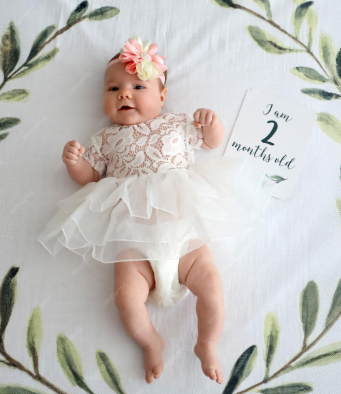
Welcoming a new baby into the world is one of life’s most cherished blessings. For many Jewish families, a Baby Naming Ceremony is the first spiritual celebration held in honor of the newborn. Filled with warmth, tradition, and symbolic meaning, this ceremony marks the beginning of the child’s identity within the Jewish community. Whether you are planning your baby’s naming ceremony, attending one for the first time, or simply exploring Jewish traditions, understanding the significance and customs behind this beautiful event can help you appreciate its emotional and spiritual depth.
Unlike a wedding or other major life events, the Baby Naming Ceremony is intimate and heartfelt. It celebrates new life, family heritage, and the blessing of bringing a child into the world. Rooted in tradition yet flexible enough for modern families, this ceremony beautifully blends ancient customs with contemporary meaning, making it special for parents, relatives, and guests.
The Meaning Behind the Baby Naming Ceremony
At the heart of a Baby Naming Ceremony is the gift of identity. In Judaism, names carry deep significance; they reflect family history, honor loved ones, and sometimes symbolize hopes and blessings for the child’s future. Naming a baby is not merely a formal act; it is a spiritual moment when the child is welcomed into their heritage and community.
For girls, the ceremony has traditionally taken place in the synagogue when the Torah is read, while boys receive their Hebrew name at their brit milah. Today, families create personalized ceremonies at home, in a synagogue, or in a special venue, making the occasion uniquely meaningful and inclusive.
Choosing the Baby’s Hebrew Name
One of the most thoughtful parts of preparing for a Baby Naming Ceremony is choosing the baby’s Hebrew name. Many families name their child after a beloved relative, preserving the memory of someone who has had a profound influence on their lives. In Ashkenazi tradition, babies are often named for relatives who have passed away, while in Sephardic tradition, they may be named for living relatives as a blessing.
The Hebrew name usually consists of a first name followed by “ben” (son of) or “bat” (daughter of) and the parents’ Hebrew names. The choice may reflect characteristics the parents hope their child will embody, strength, wisdom, joy, kindness, or spirituality. Sharing the story behind the name adds deep meaning to the celebration.
Blessings and Prayers: Welcoming the Child
Blessings play an important role in a Baby Naming Ceremony. These prayers express gratitude for new life and ask for protection, health, happiness, and spiritual growth for the child. Depending on the family’s preferences, the blessings may come from traditional Jewish liturgy, modern readings, or meaningful personal reflections.
Common blessings include:
-
The Shehecheyanu blessing, thanking God for reaching this joyous moment
-
Blessings for the baby’s health and future
-
Special prayers that honor the child’s namesake
-
Personal words from parents, grandparents, or close family
These blessings are often the most emotional part of the ceremony, touching the hearts of everyone present.
The Role of Family and Community
A Baby Naming Ceremony is not only about the child, it is also a celebration of family, continuity, and connection. Jewish tradition places great importance on community, and welcoming a child into that community is a moment of collective joy and pride.
Grandparents often play a central role, symbolizing the link between generations. Friends and relatives may be invited to offer readings, blessings, or personal reflections. This creates a sense of togetherness and strengthens the bond between the baby and those who will support, guide, and love them throughout life.
Symbolic Rituals in the Ceremony
While a Baby Naming Ceremony is flexible in format, many families choose to include symbolic rituals that reflect Jewish values and traditions. Some of these may include:
1. Candle Lighting
A beautiful ritual where candles are lit to symbolize the baby’s arrival as a new light in the world.
2. Wrapping in a Tallit (Prayer Shawl)
A tallit belonging to a parent or grandparent is sometimes wrapped around the baby as a blessing of protection and continuity.
3. Reading of Psalms or Personal Prayers
Spiritual readings add depth and emotion to the ceremony.
4. Sharing the Meaning of the Name
Parents often explain why they chose the Hebrew and English names, honoring family heritage and sharing their hopes for the child’s future.
These meaningful moments add depth, emotion, and cultural richness to the celebration.
Modern Approaches to the Baby Naming Ceremony
In many contemporary families, the Baby Naming Ceremony is personalized to reflect values, traditions, and modern lifestyles. Some choose to incorporate music, poetry, or cultural elements that speak to their identity. Interfaith families often honor both traditions in harmonious ways, creating a ceremony filled with inclusivity and love.
Some modern touches may include:
-
Personalized blessings written by parents
-
Siblings participating in the ceremony
-
Music that celebrates new life
-
A tree planting ritual symbolizing growth and the future
These updates maintain the ceremony’s spiritual essence while making it more meaningful for today’s families.
Creating a Warm and Welcoming Atmosphere
The atmosphere of a Baby Naming Ceremony is gentle, joyful, and intimate. It is often held in a cozy setting at home, in a garden, or in a welcoming community space. Soft music, candles, and meaningful decorations create a warm environment that celebrates love and family.
Families may choose to serve a celebratory meal or light refreshments afterward, allowing guests to share joy, offer blessings, and connect. This communal gathering reinforces the importance of the child’s place within the greater circle of family and friends.
Why the Baby Naming Ceremony Is So Meaningful
What makes a Baby Naming Ceremony truly special is the combination of tradition, identity, family, and love. It is one of the first milestones in a child’s life, marking their place in a long and beautiful history. Each blessing, ritual, and heartfelt moment contributes to a celebration filled with meaning and hope.
This ceremony reminds parents and families of the responsibility and joy of guiding a new life, teaching them, loving them, and nurturing their spiritual and emotional growth.
A Celebration of Love, Heritage, and New Beginnings
A Baby Naming Ceremony is far more than a ritual; it is a celebration of life, love, and heritage. Whether deeply traditional or creatively modern, the ceremony honors the baby’s entry into the world and the Jewish community. It strengthens family bonds, preserves cherished traditions, and expresses the collective joy of welcoming a new soul into the world.
It is a moment families treasure forever, a memory filled with blessings, laughter, connection, and hope.

 Arabic
 French
 Spanish
 Portuguese
 Deutsch
 Turkish
 Dutch
Dutch
 Italiano
 Russian
 Romaian
 Portuguese (Brazil)
 Greek
Greek