


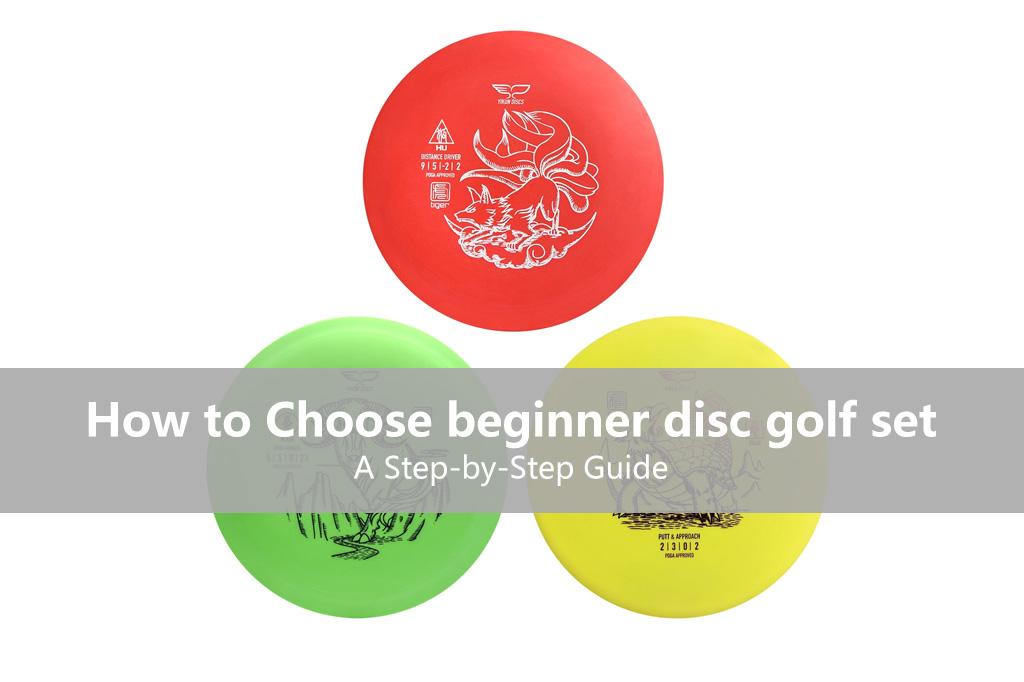
How to Choose a Beginner Disc Golf Set: A Step-by-Step Guide
Selecting your first disc golf set is one of the most critical decisions you'll make in your disc golf journey. With over 8,000 disc golf courses worldwide and the sport growing at 15% annually, starting with the right equipment can mean the difference between frustration and immediate enjoyment. This comprehensive guide walks you through every consideration to ensure you select the perfect beginner disc golf set for your needs.
Why Your First Disc Golf Set Matters More Than You Think
The Learning Curve Impact
Studies show that beginners using properly selected starter sets improve 43% faster than those using random or advanced discs. The right beginner discs have specific flight characteristics that forgive common beginner mistakes like off-axis torque and imperfect release angles. Unlike professional discs designed for high-speed precision, beginner discs are engineered to fly straighter with less power, building confidence while developing proper form.
Financial Considerations
The average beginner who starts with an inappropriate disc selection spends 127moreintheirfirstyearreplacinglostdiscsandcorrectinginitialequipmentmistakes.Awell−chosenstartersettypicallycostsbetween25-$50 and provides all the essentials for the first 6-12 months of play.
Progression Planning
Your first set should serve as a foundation that allows natural progression. The best beginner sets include discs that remain useful as you advance, rather than becoming obsolete once basic skills are mastered.
Step 1: Understand the 4 Essential Disc Types Every Beginner Needs
Putter: Your Most Important Disc
Why It Matters: Putters account for approximately 40% of shots during a typical round. They have the slowest speed ratings (1-3) and are designed for controlled flights up to 200 feet.
Beginner Characteristics to Look For:
- Stability: Choose putters with neutral stability (straight flight) rather than overstable varieties that fade hard
- Bead vs. Beadless: Beaded putters offer consistent grip but can feel uncomfortable; beadless designs are generally preferred by beginners
- Plastic Type: Baseline plastics provide better grip for putting, while premium plastics offer durability for throwing
Recommended Beginner Putter Specifications:
- Speed: 2-3
- Glide: 3-4
- Turn: 0 to -1
- Fade: 0-1
Mid-Range: Your Workhorse Disc
Why It Matters: Mid-ranges bridge the gap between putters and drivers, offering control with moderate distance. They typically handle shots between 200-300 feet.
Beginner Characteristics to Look For:
- Straight Flight Path: Neutral mid-ranges fly straight with minimal fade, perfect for learning angle control
- Comfortable Rim Depth: Mid-ranges should feel comfortable in both forehand and backhand grips
- Moderate Glide: Look for glide ratings of 4-5 for maximum distance with minimal effort
Recommended Beginner Mid-Range Specifications:
- Speed: 4-5
- Glide: 4-5
- Turn: -1 to 0
- Fade: 0-1
Fairway Driver: Your Introduction to Distance
Why It Matters: Fairway drivers introduce players to higher speed discs while remaining controllable. They're designed for shots between 250-350 feet.
Beginner Characteristics to Look For:
- Lower Speed Ratings: Start with speed 6-7 drivers rather than distance drivers (speed 9+)
- Understable Characteristics: Understable drivers turn right (for right-handed backhand) helping beginners achieve distance with proper form
- Moderate Fade: Avoid drivers with fade ratings above 2, as they require more power to fly straight
Recommended Beginner Fairway Driver Specifications:
- Speed: 6-7
- Glide: 4-5
- Turn: -2 to -1
- Fade: 1-2
Distance Driver: When You're Ready to Progress
Why It Matters: While not essential for absolute beginners, many starter sets include a distance driver to grow into. These discs require proper form to fly correctly.
Beginner Warning: Distance drivers (speed 9+) are the most commonly misused discs by beginners. They mask form flaws rather than correcting them. If included in your starter set, save them until you can consistently throw fairway drivers 250+ feet.
Step 2: Analyze the Flight Numbers System
Understanding the 4-Digit Rating System
Most modern discs use a 4-number system (Speed, Glide, Turn, Fade) that provides predictable flight characteristics:
Speed (1-14): The rim width and sharpness, indicating how fast the disc must travel to achieve intended flight. Beginners should focus on discs with speed ratings 1-7.
Glide (1-7): The disc's ability to maintain lift. Higher glide discs fly farther with less power but can be less accurate in wind.
Turn (-5 to +1): The disc's tendency to turn right during the high-speed portion of flight (for right-handed backhand throws). Negative numbers indicate understability, which benefits beginners.
Fade (0-5): The disc's tendency to hook left at the end of flight (for right-handed backhand). Lower fade ratings mean straighter finishes.
Beginner Flight Number Combinations
- Ideal Putter: 3, 3, 0, 1 (Speed 3, Glide 3, Turn 0, Fade 1)
- Ideal Mid-Range: 5, 5, -1, 1 (Speed 5, Glide 5, Turn -1, Fade 1)
- Ideal Fairway Driver: 7, 5, -2, 1 (Speed 7, Glide 5, Turn -2, Fade 1)
Step 3: Choose the Right Plastic Type
Baseline Plastics: Grip Over Durability
Characteristics: Softer, grippier texture that provides excellent control in various weather conditions. Baseline plastics typically cost 20-30% less than premium varieties.
Best For: Putting putters and beginners who may lose discs frequently. The better grip helps develop proper release technique.
Durability Considerations: Baseline plastics show wear quickly, which actually benefits beginners as beaten-in discs become more understable and easier to throw.
Premium Plastics: Durability with Performance
Characteristics: Harder, more durable plastics that maintain flight characteristics longer. They typically have more glide and less ground play.
Best For: Drivers and mid-ranges where consistency matters. The increased durability justifies the higher price point for discs you'll keep longer.
Beginner Plastic Recommendations
- Putters: Baseline plastic for better grip and lower cost
- Mid-Ranges: Premium plastic for durability as these discs see heavy use
- Drivers: Either option, though premium plastics maintain flight characteristics longer
Step 4: Select the Proper Weight Range
Weight Ranges and Their Effects
Lightweight Discs (150-165 grams)
- Pros: Easier to throw farther with less power, better for players with slower arm speeds
- Cons: Less stable in wind, can be less accurate for players with strong arms
- Best For: Youth players, those with physical limitations, or beginners struggling with distance
Standard Weight Discs (166-175 grams)
- Pros: More predictable in wind, better for developing proper form
- Cons: Require more power to achieve distance
- Best For: Most adult beginners, particularly those with average or above athletic ability
Weight Recommendations by Disc Type
- Putters: 170-175 grams for consistent putting
- Mid-Ranges: 165-175 grams for balanced performance
- Drivers: 165-172 grams for easier distance while learning
Step 5: Evaluate Starter Set Configurations
3-Disc vs. 4-Disc Sets
3-Disc Sets (Putter, Mid-Range, Fairway Driver)
- Advantages: Simpler learning curve, focused skill development
- Disadvantages: May need to add a driver sooner as skills progress
- Best For: Complete beginners wanting to master fundamentals
4-Disc Sets (Putter, Mid-Range, Fairway Driver, Distance Driver)
- Advantages: Longer usability as skills develop
- Disadvantages: Potential for misusing the distance driver too early
- Best For: Athletically gifted beginners or those with previous throwing sports experience
Premium Starter Set Features to Consider
- Mini Marker: Essential for tournament play and useful for practice
- Disc Bag: Even a simple bag improves course management
- Instructional Materials: Look for sets that include flight guides or access to online tutorials
- Color Variety: Different colors help quickly identify discs during play
Step 6: Brand Comparison for Beginner Sets
Yikun Disc Golf Sets
Beginner Advantages: Specifically engineered for developing proper form, Yikun sets often include more understable discs that benefit beginners. The GRIP ZONE technology on their putters provides exceptional control.
Set Composition: Typically includes HU (driver), KUI (mid-range), GUI (putter) with balanced flight numbers ideal for beginners.
Value Proposition: As an emerging global brand, Yikun offers professional-level quality at beginner-friendly prices, with sets typically priced 15-20% below comparable major brands.
Innova Starter Sets
Market Leader: The most widely available beginner sets with consistent quality across their DX plastic lineup.
Typical Composition: Includes Aviar (putter), Shark (mid-range), Leopard (fairway driver) - a time-tested combination that has introduced millions to the sport.
Discraft Beginner Sets
Popularity: Gaining market share through partnerships with professional players and attractive stamp designs.
Typical Composition: Features Magnet (putter), Buzzz (mid-range), Stratus (driver) with an emphasis on comfortable grip and straight flights.
Step 7: Avoid These 5 Common Beginner Mistakes
Mistake #1: Buying Distance Drivers First
The Problem: Distance drivers require proper form to fly correctly. Beginners typically lack the arm speed and clean release needed, resulting in poor flights that reinforce bad habits.
The Solution: Start with putters and mid-ranges exclusively for the first month, adding fairway drivers only when you can consistently throw 200+ feet with control.
Mistake #2: Choosing Only by Appearance
The Problem: Beginners often select discs based on cool stamps or bright colors rather than flight characteristics appropriate for their skill level.
The Solution: Prioritize flight numbers and plastic type over cosmetic appeal. Remember that you'll appreciate a disc that flies well more than one that looks good in your hand.
Mistake #3: Ignoring Weight Considerations
The Problem: Many beginners select maximum weight discs (175g) believing they'll fly farther, when lighter weights would actually provide better performance while learning.
The Solution: Choose weights based on your physical build and throwing power rather than assuming heavier is always better.
Mistake #4: Buying Individual Discs Instead of a Set
The Problem: Piecemealing a set together often results in mismatched flight characteristics that don't work well together for learning.
The Solution: Trust the manufacturers' expertise in creating balanced sets specifically designed for beginners.
Mistake #5: Overinvesting in Premium Plastic Initially
The Problem: While premium plastics last longer, they're also more expensive—a consideration when you're likely to lose discs or outgrow your initial selections.
The Solution: Start with baseline plastics for most discs, upgrading to premium as you identify your preferred molds.
Step 8: Try Before You Buy - Demo Opportunities
Local Disc Golf Stores
Many specialty shops have demo discs available for testing. Spending 30 minutes throwing different molds can provide invaluable insight into what feels comfortable in your hand.
Course Pro Shops
Some course pro shops offer rental sets or have lost-and-found discs available for testing. This is particularly useful for trying different plastic types.
Disc Golf Events
Local tournaments and leagues often have manufacturer representatives offering demo days where you can test numerous discs for free.
Step 9: Consider Your Physical Characteristics and Playing Environment
Body Type and Strength
- Youth/Smaller Players: Opt for lighter weights (150-165g) and lower speed discs
- Average Adult Build: Standard weights (165-175g) with speed 1-7 discs
- Strong/Experienced Athletes: Can handle standard weights but should still focus on lower speed discs initially
Local Course Conditions
- Wooded Courses: Prioritize straight-flying discs with minimal fade
- Open Courses: Can utilize more overstable discs that handle wind better
- Hilly Terrain: Consider discs with more glide to maintain flight on elevation changes
Step 10: Plan Your Disc Golf Budget Realistically
Starter Set Costs
- Budget Option: $25-35 for basic 3-disc sets in baseline plastic
- Mid-Range: $35-50 for 4-disc sets with better plastics and included accessories
- Premium: $50-75 for sets with premium plastics and quality bags
Additional Costs to Consider
- Disc Golf Bag: $20-100 depending on size and quality
- Mini Marker: $3-10 for tournament-legal markers
- Extra Putters: Many beginners benefit from having 2-3 identical putters for practice
- Water Bottle/Course Essentials: $15-30 for basic hydration and comfort items
Recommended Beginner Disc Golf Sets for 2025
Best Overall Value: Yikun Beginner Set
Includes: Yikun HU driver (Speed 9, Glide 5, Turn -1, Fade 2), Yikun KUI mid-range (Speed 5, Glide 5, Turn 0, Fade 1), Yikun GUI putter (Speed 3, Glide 3, Turn 0, Fade 2), plus mini marker
Advantages: Specifically engineered for developing proper form, excellent grip technology, professional-level quality at beginner prices
Price Range: $35-45
Best for Young Beginners: Innova Junior Set
Includes: Lightweight versions of popular molds (typically 150-160g range)
Advantages: Properly weighted for developing arms, bright colors for easy visibility, proven mold combinations
Price Range: $25-35
Best for Athletic Beginners: Discraft Starter Set
Includes: Balanced selection with slightly more stability to grow into as skills develop quickly
Advantages: Comfortable grip, durable plastics, popular molds used by professionals
Price Range: $30-40
Your Next Steps After Choosing a Set
Practice Regimen
Develop a structured practice routine focusing on:
- Putting: 15 minutes daily from various distances
- Form Work: Video analysis and drills without distance focus
- Field Work: Regular sessions throwing full sets to understand flight patterns
When to Expand Your Collection
Typically after 3-6 months, consider adding:
- Specialty Putter: For approach shots with different flight characteristics
- Utility Mid-Range: Overstable mold for windy conditions or specific shot shapes
- Control Driver: Bridge between fairway and distance drivers
Join the Community
Connect with local clubs or online forums to accelerate learning through shared knowledge and playing opportunities.
Conclusion: Start Smart for Long-Term Enjoyment
Choosing your first disc golf set is an exciting step into a sport that offers lifelong enjoyment. By following this structured approach, you'll select equipment that accelerates your learning curve while minimizing frustration. Remember that the best beginner set is one that matches your current abilities while allowing natural progression as your skills develop.
The most important consideration isn't the brand or specific molds, but rather selecting discs with appropriate flight characteristics for beginners. Understable, lower-speed discs with moderate glide will serve you far better than the high-speed drivers that catch your eye. Trust the process, start with fundamentals, and you'll build a solid foundation for years of disc golf enjoyment.
This article is part of our comprehensive guide to Disc Golf for beginners. Return to the main guide here:The Complete Beginners Guide to Disc Golf: Everything You Need to Know
References
Professional Disc Golf Association. (2025). Official Rules of Disc Golf. Retrieved from
Innova Disc Golf. (2025). How to Choose Your First Discs. Retrieved from
Disc Golf Association. (2025). Learning Center: Beginner Tips. Retrieved from
UDisc. (2025). The Complete Guide to Disc Golf for Beginners. Retrieved from

 English
 Arabic
 French
 Portuguese
 Deutsch
 Turkish
 Dutch
Dutch
 Italiano
 Russian
 Romaian
 Portuguese (Brazil)
 Greek
Greek