


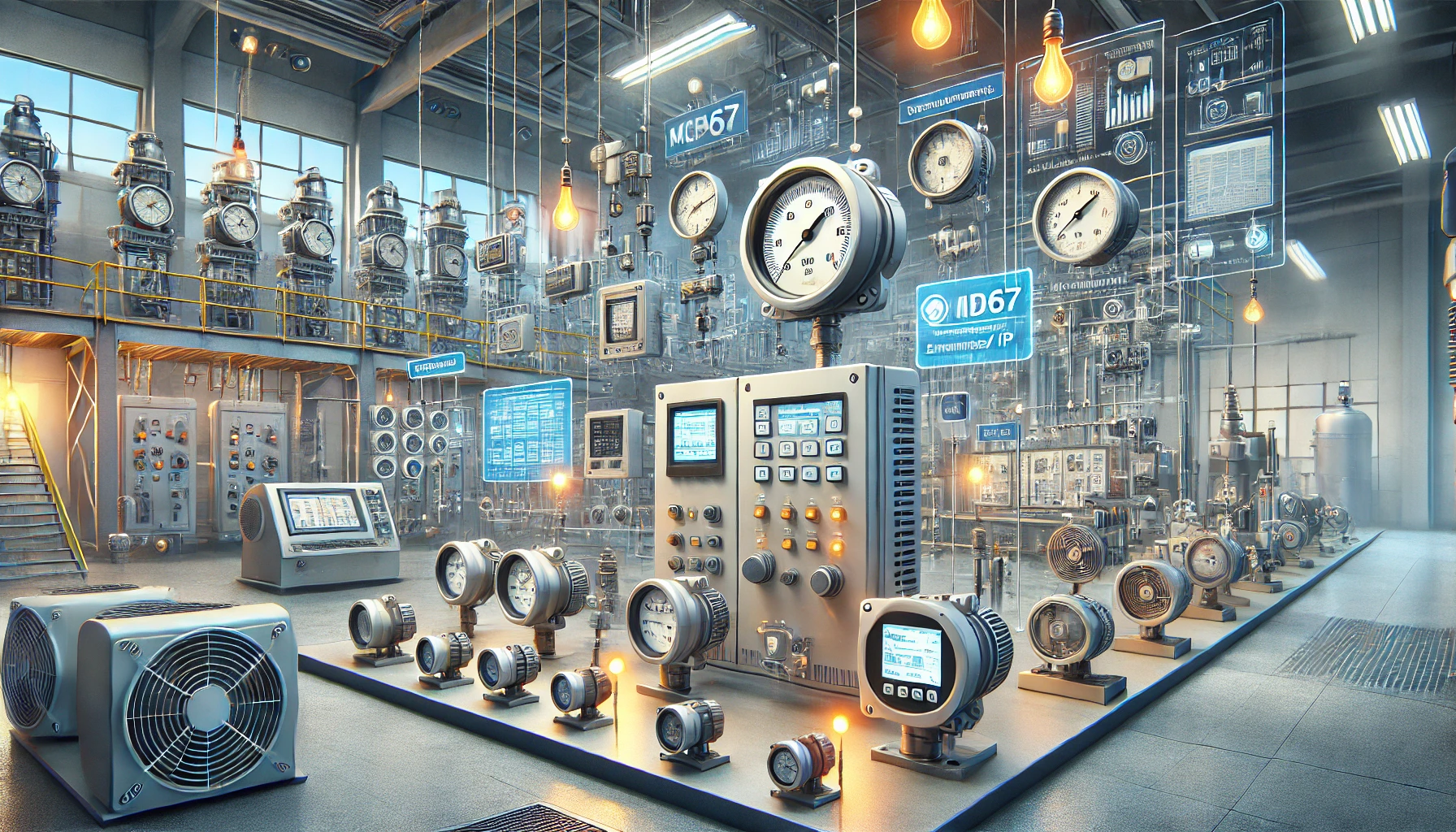
In today’s fast-paced manufacturing, engineering, scientific, and industrial environments, accuracy is everything. Whether you're designing a new product, conducting laboratory experiments, or ensuring quality control on the production floor, the tools you choose can make or break your results. This is where precision measuring instruments become essential. These devices ensure your measurements are accurate, consistent, and reliable—allowing you to work with confidence and efficiency.
But with so many options available, how do you choose the right tools for your specific applications? This ultimate guide walks you through everything you need to know.
What Are Precision Measuring Instruments?
Precision measuring instruments are specialized tools designed to measure physical quantities—such as length, diameter, thickness, pressure, weight, or temperature—with extremely high accuracy. Examples include calipers, micrometers, height gauges, dial indicators, coordinate measuring machines (CMMs), and digital multimeters.
These instruments are vital for industries like:
-
Manufacturing
-
Aerospace
-
Automotive
-
Medical devices
-
Research and development
-
Electronics engineering
Each tool serves a unique purpose, and choosing the right one depends on the application and degree of accuracy required.
Why Precision Matters
Even small inaccuracies can lead to:
-
Poor product quality
-
Component failures
-
Increased waste and rework
-
Higher production costs
-
Safety hazards
Using the right precision measuring instruments ensures consistent compliance with standards and improves overall productivity.
Key Factors to Consider When Choosing Precision Measuring Instruments
1. Define Your Measurement Requirements
Before selecting any instrument, ask:
-
What physical property do I need to measure?
-
What is the required tolerance or accuracy?
-
What is the measurement range?
-
What is the environment (lab, shop floor, fieldwork)?
These answers narrow down your choices significantly.
2. Analog vs. Digital Instruments
Digital Instruments
-
Offer easy-to-read displays
-
Typically provide higher accuracy
-
Reduce human reading errors
-
Ideal for modern precision applications
Analog Instruments
-
Great for continuous readings
-
More durable in rugged environments
-
Useful when digital equipment may interfere with electronic systems
Your choice depends on usability, precision demands, and working conditions.
3. Material and Build Quality
High-quality materials—such as stainless steel or carbide-tipped measuring surfaces—ensure durability and long-term accuracy. Poor-quality tools can warp, wear out, or lose calibration quickly.
4. Calibration Requirements
Precision tools must be calibrated regularly.
Ask:
-
Does it come with a calibration certificate?
-
Is calibration easy to perform in-house?
-
Are spare parts and accessories readily available?
A reliable calibration schedule ensures consistent measurement accuracy.
5. Environmental Considerations
Heat, humidity, vibration, and dust can all impact measurement accuracy.
For example:
-
CMMs require a stable temperature-controlled environment.
-
Digital calipers may be affected by moisture or debris.
-
Micrometers should be stored in clean, dry cases.
Matching the instrument to its operating environment is essential.
6. Budget vs. Long-Term Value
While premium tools may cost more upfront, they provide:
-
Greater longevity
-
More accurate results
-
Reduced maintenance
-
Lower overall cost of ownership
Investing in high-quality precision measuring instruments pays off over time.
Popular Types of Precision Measuring Instruments
Here are some commonly used tools and what they measure:
Calipers (Digital, Dial, Vernier)
Ideal for measuring internal and external dimensions, depth, and step measurements.
Micrometers
Used for extremely precise measurements of thickness, diameter, or length.
Dial Indicators & Test Indicators
Critical for checking alignment, flatness, and small variations.
Height Gauges
For accurate vertical measurements in inspection and layout tasks.
Coordinate Measuring Machines (CMMs)
Advanced automated systems for measuring complex geometries.
Digital Multimeters
Essential for electrical measurement tasks such as voltage, resistance, and current.
Tips for Maintaining Your Precision Measuring Instruments
-
Store them in protective cases.
-
Avoid dropping or exposing them to harsh environments.
-
Clean measuring surfaces after use.
-
Recalibrate regularly.
-
Use tools only for their intended purposes.
Proper care significantly extends their lifespan and reliability.
Final Thoughts
Choosing the right precision measuring instruments is an important investment that directly impacts the quality, accuracy, and efficiency of your work. By understanding your measurement needs, comparing instrument types, evaluating build quality, and maintaining proper calibration, you ensure the best results for your applications.
Whether you're working in manufacturing, engineering, research, or quality control, the right precision tools empower you to deliver excellence every time.

 English
 French
 Spanish
 Portuguese
 Deutsch
 Turkish
 Dutch
Dutch
 Italiano
 Russian
 Romaian
 Portuguese (Brazil)
 Greek
Greek