


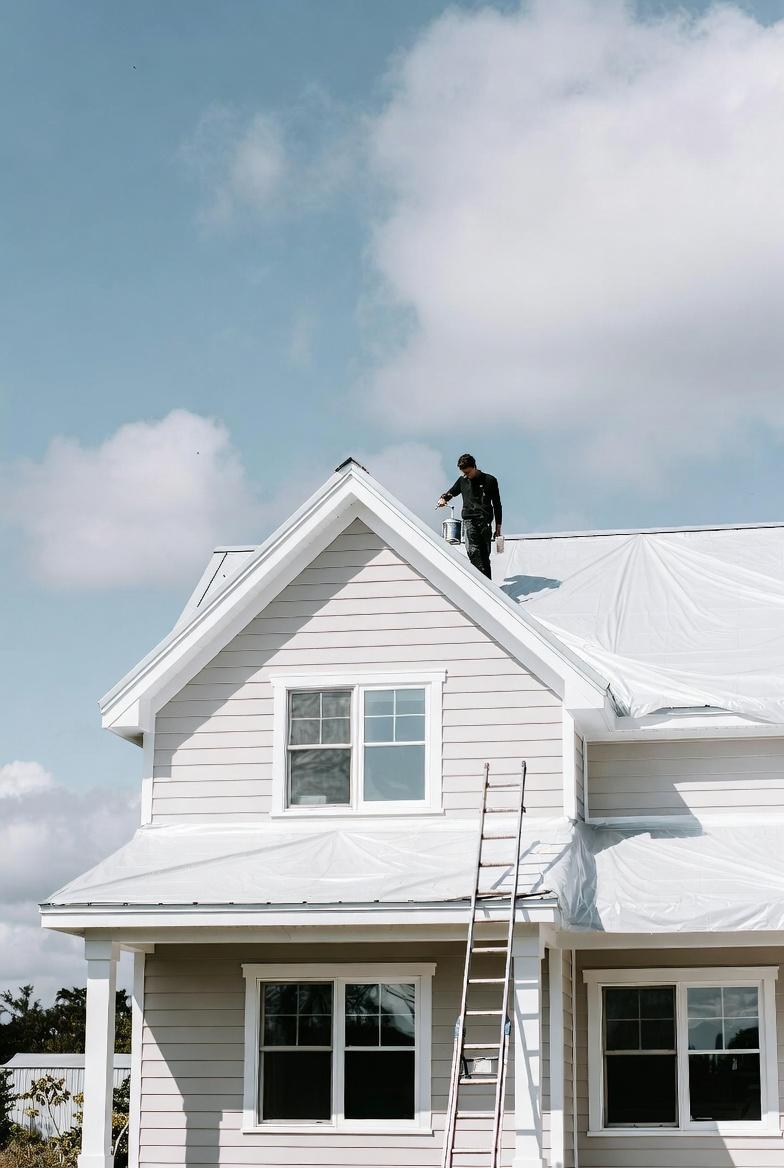
A steel garage is a fantastic asset for storage and protection, but even the sturdiest metal structures eventually show signs of wear. Constant exposure to the elements leads to fading, chalking, and the dreaded enemy of all metal: rust. A fresh coat of paint does more than just boost your home's curb appeal; it adds a critical layer of protection that extends the lifespan of the building.
While painting metal might seem intimidating compared to wood or drywall, the process is straightforward if you have the right materials. You don't need to hire expensive contractors to get a professional-looking finish. With a free weekend and a little elbow grease, you can transform your weathered shed into a standout feature of your property. Here is everything you need to know to get the job done right.
Gather the Right Materials
Before you open a single can of paint, you need to ensure you have tools compatible with metal surfaces. Using the wrong primer or paint is the most common reason for peeling and flaking later on.
You will need:
- Wire brush or sandpaper: For removing loose paint and rust.
- TSP (Trisodium Phosphate) or a specialized metal degreaser: To clean the surface thoroughly.
- Power washer: Optional, but highly recommended for rinsing.
- Metal Primer: Look for a rust-inhibitive primer, especially if you exposed bare metal during prep.
- Direct-to-Metal (DTM) Paint: High-quality acrylic latex paint designed for exterior metal is usually the best choice for DIYers as it is flexible and resists fading better than oil-based alternatives.
- Rollers and brushes: Synthetic rollers work best for acrylic paints.
Step 1: Prepare the Surface
The success of your project relies almost entirely on preparation. Metal is non-porous, meaning paint has a harder time sticking to it than wood. If the surface is dirty, chalky, or glossy, the new paint will peel off within months.
Start by removing any loose or flaking paint. Use a wire brush or sandpaper to scrub away rust spots until you reach a solid surface. If the existing paint is glossy, give the entire garage a light sanding to create a rougher texture that the new paint can grip.
Step 2: Clean Thoroughly
Once the loose debris is gone, you need to remove the invisible layers of dirt, oil, and mildew. Mix a solution of water and TSP (or a biodegradable degreaser) and scrub the exterior. This step removes the chalky residue often found on old aluminum or steel siding.
After scrubbing, rinse the building completely. A power washer is efficient here, but a garden hose with a high-pressure nozzle works too. Allow the garage to dry completely. Painting damp metal is a recipe for disaster, so aim for a stretch of dry, sunny weather.
Step 3: Apply a Rust-Inhibitive Primer
If your preparation involved sanding down to bare metal, spot-priming is non-negotiable. Bare steel will rust almost immediately if left unprotected. Apply a high-quality, rust-inhibitive metal primer to any exposed areas.
If the current paint job is in decent condition and you are just changing the color, you might not need a full coat of primer, provided your topcoat is a high-quality DTM paint. However, for the most durable finish, applying a full coat of primer over the entire structure ensures an even bond and better color coverage.
Step 4: Painting the Exterior
Now you are ready for the transformation. Stir your paint thoroughly. If you are using a sprayer, this will go quickly, but a roller and brush method works perfectly fine for most residential garages.
Start from the top and work your way down to avoid drips ruining your fresh work. Use a brush to cut in around corners, windows, and doors, then use a roller for the broad, flat sections. If your garage has corrugated metal siding, a thick-nap roller can help get paint into the grooves, though you may need to follow up with a brush to catch missed spots.
Apply two coats rather than one thick coat. Two thinner coats cure harder and last longer. Allow the manufacturer's recommended drying time between coats—rushing this step can lead to a tacky finish that attracts dirt.
Give Your Garage a New Lease on Life
Refinishing your steel garage is one of the most satisfying DIY projects you can undertake. It instantly brightens up your yard and defends your investment against rain, snow, and sun damage. By prioritizing prep work and choosing specific metal-grade products, your garage will look brand new for years to come.

 English
 Arabic
 French
 Spanish
 Deutsch
 Turkish
 Dutch
Dutch
 Italiano
 Russian
 Romaian
 Portuguese (Brazil)
 Greek
Greek