


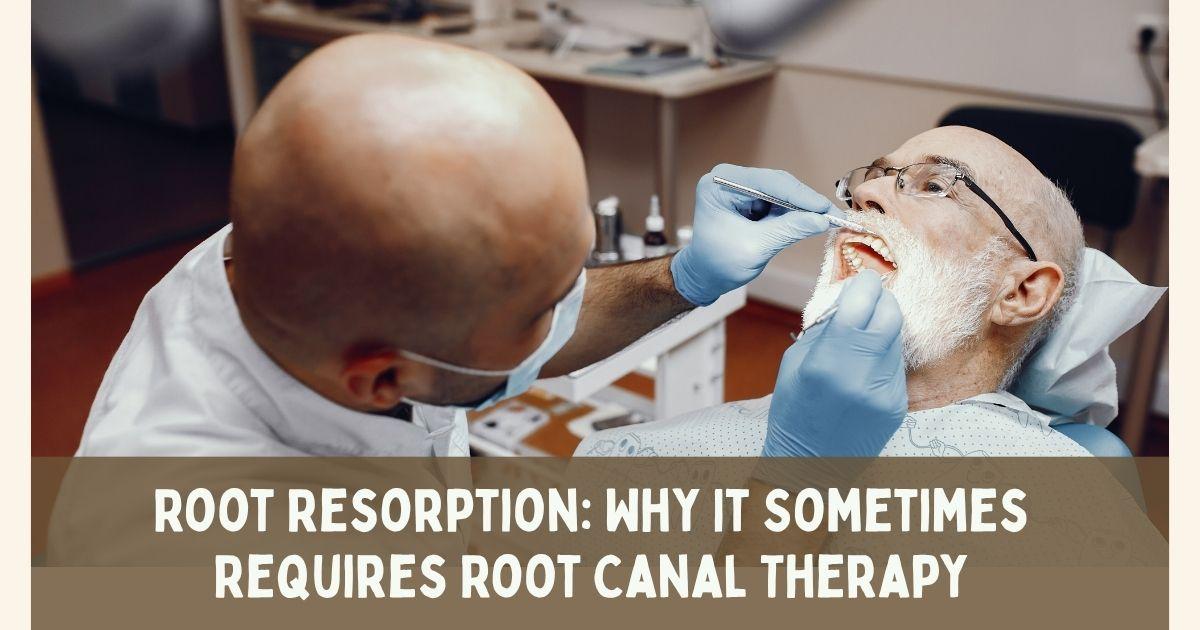
Root resorption is a dental condition that often goes unnoticed until it reaches an advanced stage, making timely diagnosis and treatment essential. Many patients search for solutions when they begin experiencing symptoms like tooth sensitivity, gum swelling, or unexplained discomfort. If you’ve been looking for a root canal near me, understanding root resorption and how root canal therapy helps can empower you to make informed decisions about your oral health. This condition may sound alarming, but with early detection and proper treatment, the affected tooth can often be saved.
What Is Root Resorption?
Root resorption refers to the gradual breakdown or loss of a tooth’s root structure. It can occur internally, within the root canal system, or externally, on the outer surface of the root. This process is usually triggered by inflammation, dental trauma, orthodontic movement, or chronic infection. As the root structure begins to dissolve, the tooth loses its stability, which can eventually lead to loosening or complete tooth loss if left untreated.
Internal root resorption is particularly concerning because it happens from the inside, often without visible symptoms in the early stages. This type affects the inner pulp tissue and slowly erodes the dentin from within. External resorption, on the other hand, usually begins on the root surface and can be caused by factors such as aggressive orthodontic treatment, impacted teeth, or chronic gum inflammation. Regardless of the type, resorption must be addressed early to prevent irreversible damage.
Causes and Risk Factors
While trauma is one of the leading causes, root resorption can occur for several reasons, many of which are not obvious. Accidents or injuries that affect the teeth, even from years prior, can trigger inflammatory responses that lead to gradual root breakdown. Orthodontic treatment, particularly aggressive or rapid movement of teeth, may also make the roots more vulnerable to resorption due to constant pressure.
Infections, especially those in the pulp chamber, can trigger internal resorption by damaging the cells responsible for maintaining the tooth’s integrity. Chronic inflammation, untreated cavities, or deep restorations may accelerate this process. Additionally, conditions such as cysts, tumors, or systemic health issues can contribute to external resorption. Genetics, hormonal changes, and autoimmune disorders may also increase susceptibility in some individuals.
Symptoms You Shouldn’t Ignore
One reason root resorption often progresses silently is that the early symptoms are subtle or nonexistent. However, as the process continues, patients may notice signs such as tooth discoloration, sensitivity to temperature or pressure, or a slight change in the tooth’s position. In more advanced cases, swelling of the gums, pain, or a small “pimple-like” bump near the tooth may appear, indicating infection.
Some patients assume the discomfort is temporary or related to normal wear, which delays treatment. Recognizing symptoms early and seeking professional evaluation can dramatically improve treatment outcomes. Regular dental checkups play an essential role in detecting resorption early through digital X-rays or CBCT scans.
How Root Canal Therapy Helps Treat Root Resorption
When internal resorption is diagnosed, root canal therapy becomes the most effective treatment to stop the process and save the tooth. The procedure involves removing the inflamed or infected pulp tissue responsible for the resorption. Once the dentist cleans and disinfects the canal, special filling materials are used to rebuild the internal structure and prevent further breakdown. This helps restore strength, stability, and functionality to the affected tooth.
Root canal therapy is also recommended for certain cases of external root resorption, especially when the damage reaches the pulp chamber or threatens the tooth’s long-term survival. Using modern techniques such as digital imaging, rotary tools, and biocompatible materials, dentists ensure precise and comfortable treatment. When combined with a well-fitted crown, the restored tooth can continue functioning normally for many years.
When Root Canal Treatment May Not Be Enough
In some cases, resorption may be too advanced to repair through conventional root canal therapy alone. If the root structure has been significantly compromised or the damage extends to inaccessible areas, the tooth may not be salvageable. In such situations, your dentist may recommend extraction followed by replacement options such as dental implants or bridges.
However, with early detection and timely treatment, most cases of internal root resorption can be successfully managed with root canal therapy. Regular dental visits, proper oral hygiene, and prompt attention to dental injuries greatly reduce the risk of severe resorption.
Conclusion
Root resorption is a complex condition, but modern dental care offers effective solutions to preserve your natural teeth and restore oral health. Understanding the symptoms, causes, and treatment options ensures you can act quickly if you suspect a problem. If you're looking for expert care and reliable treatment recommendations from a dentist close to me, consulting an experienced dental professional can help protect your smile and prevent further complications. Early intervention remains the key to saving a tooth affected by resorption and maintaining long-term dental stability.

 Arabic
 French
 Spanish
 Portuguese
 Deutsch
 Turkish
 Dutch
Dutch
 Italiano
 Russian
 Romaian
 Portuguese (Brazil)
 Greek
Greek