


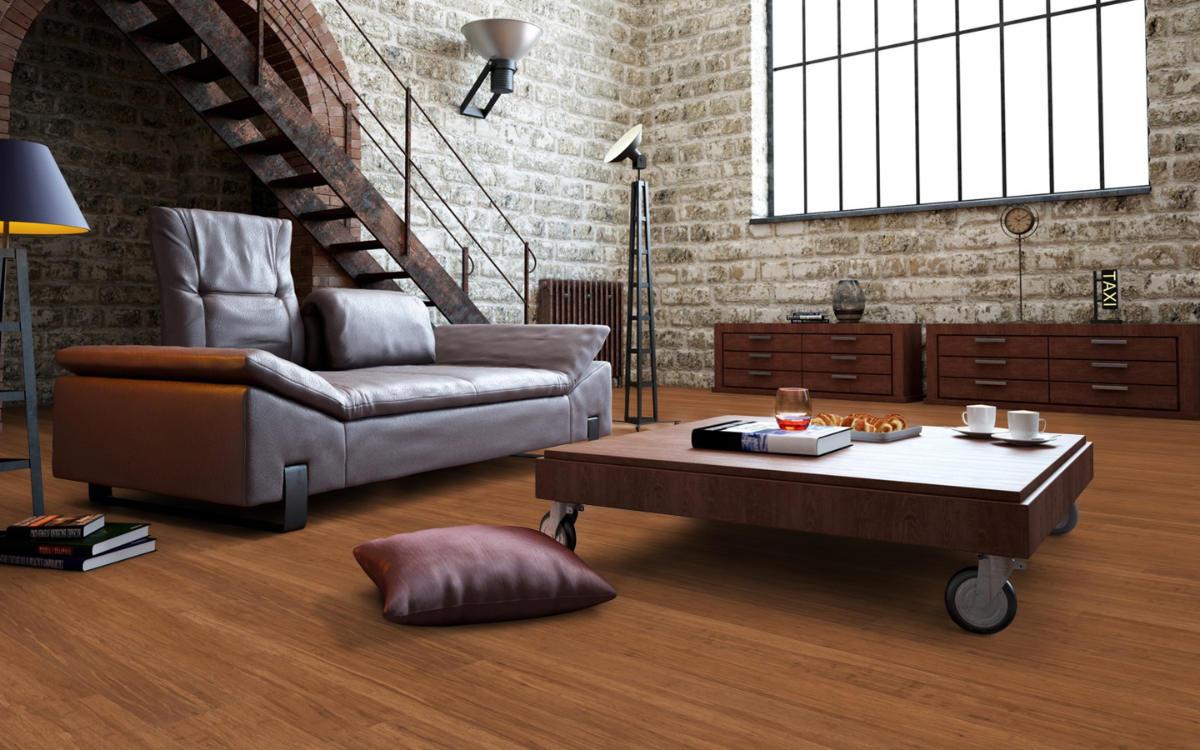
This year marks a significant milestone for our factory: 25 years of dedication, innovation, and craftsmanship in the bamboo flooring industry. What began as a modest manufacturing facility in the late 1990s has grown into a respected name in the global bamboo flooring market, supplying high-quality products to homes, offices, and commercial spaces across continents.
As a technologist who has been part of this journey, I’ve had the privilege to watch—and contribute to—the evolution of bamboo flooring from a niche product into a mainstream flooring solution. Our 25-year anniversary is not only a celebration of longevity, but a reflection of the trust our customers have placed in us, the partnerships we’ve built, and the standards we’ve upheld.
The Beginning: A Vision Rooted in Sustainability
When the factory was established in 1999, bamboo flooring was still relatively unknown in many international markets. Hardwood was the standard, and laminate had just begun to gain traction. But our founders recognized something in bamboo that others overlooked: a rapidly renewable resource with remarkable mechanical properties and natural beauty.
The early years were focused on mastering the basics—harvesting techniques, moisture control, adhesive formulations, and kiln-drying methods. We started with horizontal and vertical bamboo flooring, using simple machinery and manual grading systems. Back then, production was more labor-intensive and heavily reliant on craftsmanship.
Despite limited technology, the commitment to quality was clear. Every plank was inspected by hand. Every batch was tested for stability and finish. Even as we expanded, the foundation of our work remained the same: produce flooring that homeowners could trust for years to come.
Growth Through Innovation
The turning point came in the mid-2000s when strand-woven bamboo flooring entered the scene. This innovation changed everything. By compressing bamboo fibers under extreme pressure and combining them with durable adhesives, our factory was able to create a product that rivaled the hardness of Brazilian cherry or hickory.
From a technical perspective, this required a complete overhaul of our production lines. New pressing equipment, advanced resin systems, and more precise temperature controls were introduced. Our R&D team worked closely with chemists and material scientists to ensure that the boards not only exceeded performance expectations but also met strict environmental standards.
This period also marked our entry into international markets—initially exporting to Europe, then North America, Australia, and later Latin America. Customers were quick to recognize the advantages of strand-woven bamboo: its durability, eco-friendly reputation, and elegant appearance.
Evolving with Customer Needs
Over the years, design tastes have shifted, and so have our product offerings. What was once limited to natural and carbonized colors has expanded into a wide palette of finishes: whitewashed, gray, espresso, walnut, and even hand-scraped or wire-brushed textures.
We’ve also diversified our formats—offering both solid and engineered bamboo flooring, with click-lock and tongue-and-groove profiles. Engineered bamboo, in particular, has become a popular choice in regions with high humidity or fluctuating temperatures. The multi-layer construction adds dimensional stability without compromising the aesthetic appeal.
Our color development lab has played a crucial role in this evolution. By working closely with designers and regional distributors, we’ve been able to anticipate trends and customize finishes that reflect local preferences. Whether it's warm, golden tones for traditional interiors or cool grays for urban lofts, we aim to deliver flooring that complements a wide range of environments.
Quality That Stands the Test of Time
Throughout our 25-year journey, quality has remained the core of our identity. Our factory adheres to rigorous quality control protocols, from raw material inspection to final packaging. Each batch undergoes mechanical testing for:
- Dimensional stability
- Surface hardness
- Abrasion resistance
- Formaldehyde emissions
- Finish adhesion
We’ve earned certifications including ISO 9001, ISO 14001, FSC Chain of Custody, and emission standards like E0 and CARB Phase II. These aren’t just labels—they represent years of disciplined process development and continuous improvement.
What truly sets our quality apart, however, is the consistency. Many of our customers, especially long-term partners, have expressed appreciation for the stability of our product specifications and the reliability of our shipments. That kind of trust is not built overnight—it’s earned over decades.
People Behind the Product
Behind every plank of bamboo flooring we produce is a team of skilled professionals—many of whom have been with the company for over a decade. From plant operators and finish line technicians to quality inspectors and logistics coordinators, each person contributes to the final result.
Training and skill development have always been a priority. We've invested in on-site training centers, periodic external workshops, and even exchange programs with industry experts. This focus on people has not only improved our technical capabilities but also strengthened our company culture.
As a technologist, one of the most gratifying aspects of this journey has been mentoring younger engineers and technicians, passing on the practical knowledge that can’t be found in textbooks—like how to detect moisture imbalance before it shows up in the final product, or how to adjust press parameters based on fiber density variations.
Sustainability and Responsibility
From the beginning, we understood that our business depends on the health of bamboo forests. That’s why we’ve always worked with certified plantations that follow responsible harvesting practices. Our supply chain is fully traceable, and our production process is designed to minimize waste.
We’ve also made progress in reducing energy consumption and emissions. Bamboo dust collected during processing is reused as fuel for our boilers. Water used during certain parts of production is treated and recycled. And our adhesives and finishes are carefully selected to meet international environmental safety standards.
Our long-term sustainability goals include increasing the proportion of water-based finishes, improving adhesive efficiency, and exploring ways to use post-industrial bamboo waste in composite materials.
Looking Ahead
Reaching the 25-year mark is both an achievement and a reminder of what lies ahead. The flooring market continues to evolve, and expectations are higher than ever. Customers want products that are not only beautiful and durable but also responsibly made and easy to install.
We’re continuing to explore new technologies—such as digital printing on bamboo veneers, hybrid bamboo-core flooring for enhanced waterproof performance, and AI-assisted quality inspection systems. These developments will help us stay at the forefront of innovation while staying true to the values that brought us here.
Gratitude and Commitment
We wouldn’t have reached this milestone without the trust of our customers, the dedication of our team, and the support of our partners worldwide. Every project completed using our bamboo flooring—whether it's a family home in Puebla, a boutique hotel in Madrid, or a yoga studio in Vancouver—is part of our story.
As we celebrate 25 years of excellence in bamboo flooring, our commitment remains unchanged: to make high-quality, sustainable, and stylish flooring that reflects the best of what bamboo can offer. And while the materials, technologies, and designs may change, the passion behind our work continues to grow stronger with each passing year.

 English
 French
 Spanish
 Portuguese
 Deutsch
 Turkish
 Dutch
Dutch
 Italiano
 Russian
 Romaian
 Portuguese (Brazil)
 Greek
Greek