


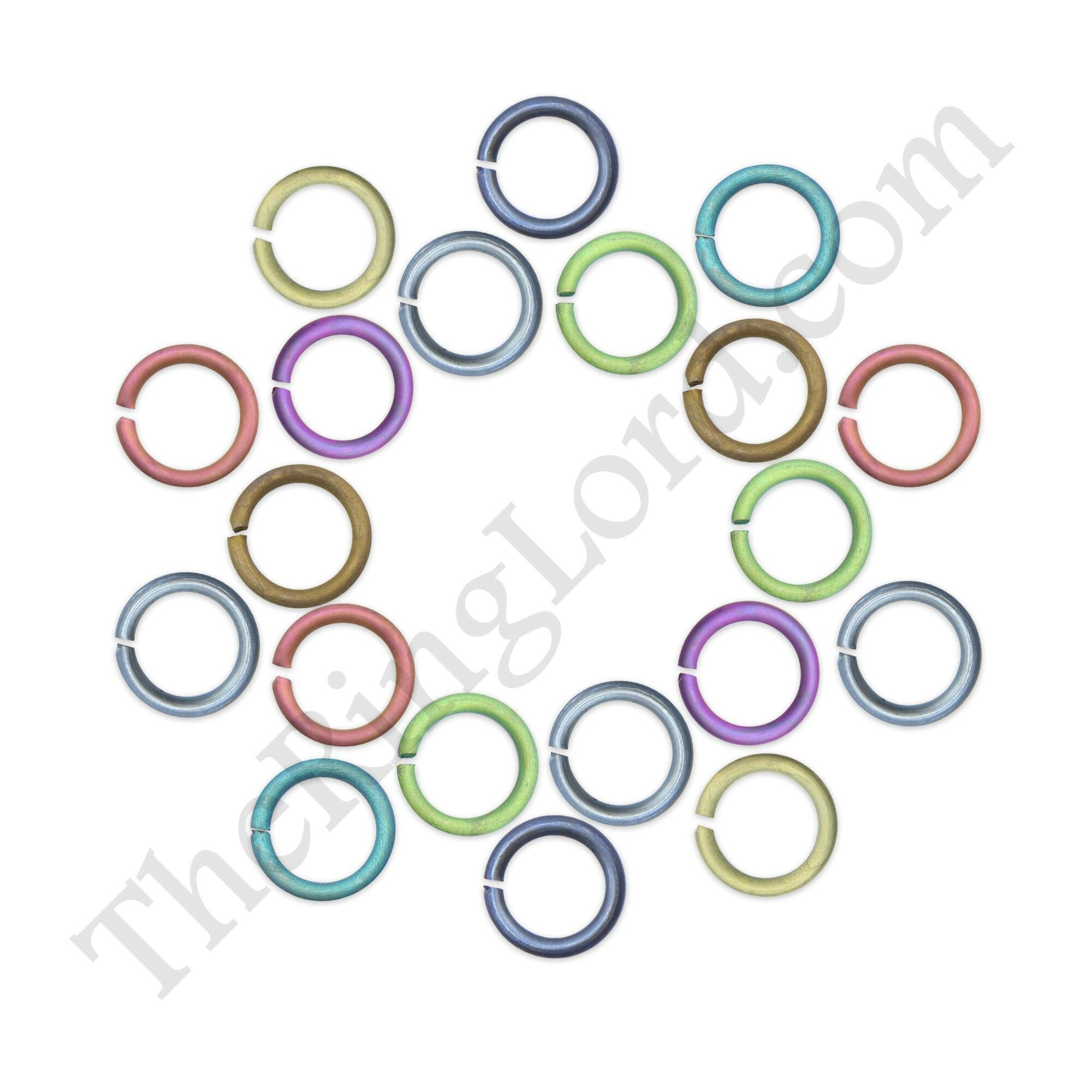
Titanium jump rings are highly valued in jewelry making for their exceptional strength, lightweight nature, and corrosion resistance. They offer a sleek, metallic finish that doesn’t tarnish or rust, making them perfect for both functional and decorative designs. Whether you’re creating chainmaille, bracelets, or intricate pendants, titanium jump rings can add durability and a professional edge to your work.
However, working with titanium requires some special techniques and tools due to its toughness. In this article, we’ll explore how to cut, close, and polish titanium jump rings effectively—helping you achieve high-quality, long-lasting jewelry pieces.
1. Why Choose Titanium Jump Rings?
Titanium is a premium metal known for its remarkable properties, making it ideal for jewelry making:
-
Strength and Durability: Titanium is stronger than aluminum and stainless steel, maintaining its shape even under tension.
-
Lightweight Comfort: Despite its strength, titanium is surprisingly light, making jewelry comfortable to wear.
-
Corrosion Resistance: It won’t rust, tarnish, or react with skin—ideal for sensitive wearers.
-
Sleek Appearance: Its modern grayish-silver tone complements a variety of metals, stones, and beads.
These characteristics make titanium jump rings perfect for high-end, professional jewelry projects, particularly for chainmaille, clasps, and heavy-duty connections.
2. Preparing to Work with Titanium Jump Rings
Before handling titanium jump rings, ensure you have the right tools and setup:
Essential tools:
-
Two pairs of flat-nose or chain-nose pliers (titanium-safe, preferably with smooth or nylon jaws to prevent scratches)
-
Cutting tools (flush cutters, jeweler’s saw, or rotary tool for precise cuts)
-
Polishing materials (fine-grit sandpaper, polishing pads, or a rotary tumbler)
-
Protective gear (safety glasses and gloves)
Titanium’s toughness means it can easily damage delicate tools, so always use sturdy, professional-grade equipment.
3. How to Cut Titanium Jump Rings
Cutting titanium requires precision and care. Unlike softer metals, it doesn’t yield easily, and poor cuts can result in uneven edges or metal fatigue.
a. Using a Jeweler’s Saw
-
Secure your titanium wire on a mandrel or coiling jig to create a coil.
-
Use a fine-toothed jeweler’s saw blade (around 2/0 to 4/0) to cut along the coil.
-
Make slow, steady strokes—forcing the blade can break it or create rough cuts.
-
After cutting, smooth each end using a fine file or sandpaper.
b. Using a Rotary Tool or Saw Blade
-
Fit a cutting disc onto your rotary tool.
-
Clamp the coil securely before cutting for even results.
-
Move the tool steadily along the coil without overheating the metal.
Tip: Always cool the titanium coil periodically, as excessive heat can alter the metal’s color or affect its strength.
4. How to Open and Close Titanium Jump Rings
Due to titanium’s rigidity, opening and closing jump rings can be challenging—but with proper technique, you can achieve clean, professional results.
a. Correct Technique
-
Hold one pair of pliers in each hand.
-
Grip either side of the ring’s cut.
-
Twist open sideways (never pull apart) to maintain the ring’s circular shape.
-
To close, twist back in the opposite direction until the ends meet snugly.
b. Apply Gentle Pressure
Titanium doesn’t flex as easily as softer metals. Apply firm but controlled pressure—too much force may distort the ring, while too little may leave gaps.
c. Use the Right Pliers
-
Opt for titanium-compatible or heavy-duty pliers.
-
Avoid textured jaws that can scratch the metal.
-
Nylon-jawed pliers are ideal for preventing surface damage.
Pro Tip: For intricate chainmaille designs, warm up the rings slightly before working (by holding them in your hands or under warm water). This makes the metal a bit more pliable.
5. Polishing Titanium Jump Rings
Titanium naturally has a beautiful sheen, but polishing enhances its professional appearance.
a. Hand Polishing
-
Use fine-grit sandpaper or polishing pads to gently smooth the surface.
-
Follow up with a microfiber cloth to remove residue.
-
Avoid harsh polishing compounds—they can dull the metal’s finish.
b. Tumbler Polishing
For bulk jewelry or chainmaille pieces:
-
Use a rotary tumbler with stainless steel shot, mild soap, and water.
-
Tumble for 30–60 minutes.
-
Rinse and dry thoroughly with a soft cloth.
This method provides a consistent, mirror-like shine without scratching or warping the rings.
6. Combining Titanium with Other Metals
Titanium pairs beautifully with other metals, adding contrast and character to your designs:
-
With Silver: Creates a sleek, contemporary style perfect for modern jewelry.
-
With Copper or Brass: Adds warmth and visual balance against titanium’s cool gray tone.
-
With Black or Colored Rings: Offers bold, striking contrasts ideal for chainmaille weaves or geometric patterns.
When combining metals, consider the weight and flexibility of each material to maintain structural integrity.
7. Troubleshooting Common Issues
Even experienced jewelers encounter challenges when working with titanium. Here’s how to handle them:
-
Problem: Rings don’t close flush.
Solution: Re-twist the ring gently and ensure your pliers are gripping firmly near the ends. -
Problem: Rough or sharp edges after cutting.
Solution: Use fine-grit sandpaper or a jewelry file to smooth the ends. -
Problem: Rings lose shape during closing.
Solution: Use smaller, incremental twists instead of forcing the metal at once. -
Problem: Scratched finish.
Solution: Polish lightly with a soft cloth and mild polishing compound. Avoid abrasive tools.
8. Maintenance and Care
Titanium jewelry is low-maintenance, but a few simple practices can keep your creations looking their best:
-
Clean regularly: Use warm water, mild soap, and a soft cloth.
-
Avoid harsh chemicals: Acids or chlorine can dull the surface.
-
Store separately: Prevent scratches by keeping titanium pieces in individual pouches or compartments.
-
Polish occasionally: Maintain the shine using a jewelry cloth or tumbler.
Proper care ensures your titanium jump rings retain their brilliance and strength for years to come.
9. Conclusion
Working with titanium jump rings may require extra effort, but the results are well worth it. Their strength, resilience, and timeless appearance make them an excellent choice for durable and elegant jewelry designs. By mastering techniques for cutting, closing, and polishing, you can create professional-quality pieces that stand out for both craftsmanship and beauty.
Whether you’re crafting intricate chainmaille or minimalist metalwork, titanium jump rings provide the perfect balance of performance and aesthetics. With patience, precision, and the right tools, you can transform this tough metal into stunning jewelry that lasts a lifetime.

 English
 Arabic
 French
 Spanish
 Portuguese
 Deutsch
 Turkish
 Dutch
Dutch
 Russian
 Romaian
 Portuguese (Brazil)
 Greek
Greek