


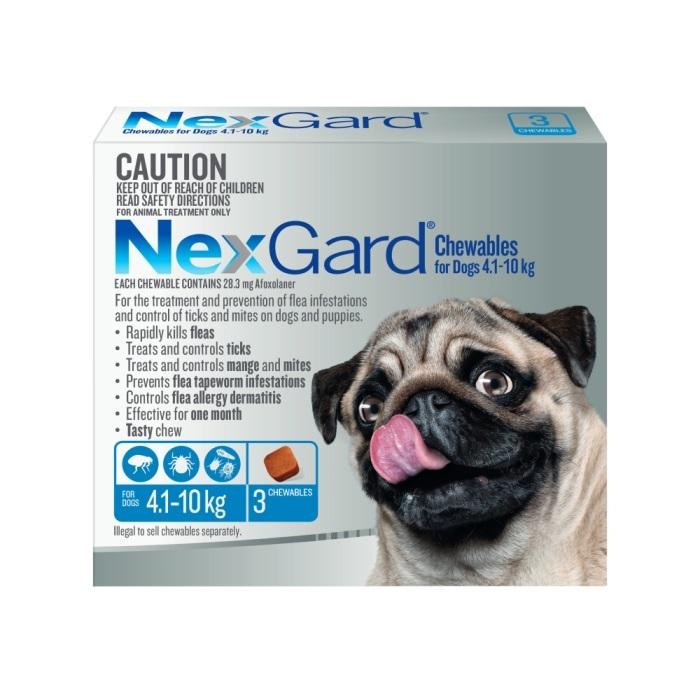
In recent years, the care and health maintenance of dogs have seen significant advancements, particularly in the realm of parasite control. One of the products gaining attention for its effectiveness in protecting dogs against common parasites is an oral medication often referred to as Nexgard for dogs. This article explores what this medication is, how it works, its benefits, and important considerations for dog owners.
What is Nexgard for Dogs?
Nexgard for dogs is an oral chewable medication designed to protect dogs from external parasites, primarily fleas and ticks. It belongs to a class of drugs called isoxazolines, which are known for their effectiveness against a range of parasites that can cause discomfort and transmit diseases to dogs.
Unlike topical treatments or collars, this medication is given orally, typically once a month, making it a convenient option for pet owners who prefer a simple administration method. It is often recommended by veterinarians for dogs that require consistent protection against parasites, especially in areas where infestations are common.
How Does Nexgard Work?
The active ingredient in this medication works by targeting the nervous system of fleas and ticks, leading to paralysis and death of these parasites. When administered, it circulates in the dog's bloodstream. When a flea or tick bites the dog, it ingests the active ingredient and is quickly neutralized.
One key advantage of this medication is its rapid action. It can start killing fleas within hours and ticks within a day of administration. This swift response helps reduce the risk of parasite-related diseases such as Lyme disease, ehrlichiosis, and flea allergy dermatitis.
Benefits of Using Nexgard for Dogs
1. Effective Parasite Control
Nexgard is widely regarded for its ability to effectively control flea and tick infestations. Since fleas and ticks are not only a nuisance but can also lead to serious health issues, effective control is essential. This oral medication offers a reliable option for maintaining a parasite-free environment for dogs.
2. Convenience of Administration
Many dog owners appreciate the chewable form of this medication. The flavored chew resembles a treat, making it easier to administer without causing stress to the pet. This convenience can increase compliance with monthly dosing, ensuring continuous protection.
3. Broad Spectrum Protection
This medication provides protection against a variety of tick species, including those responsible for transmitting serious diseases. This broad spectrum efficacy makes it particularly useful for dogs that spend time outdoors in tick-prone areas.
4. No Residue on the Skin
Unlike topical treatments, this oral medication does not leave any residue on a dog's coat or skin. This can be preferable for dogs with sensitive skin or for owners who are concerned about chemical exposure through touch.
Important Considerations Before Using Nexgard for Dogs
1. Veterinary Guidance is Essential
Before starting any parasite control medication, including this one, a consultation with a veterinarian is crucial. A professional can assess the dog’s health status, lifestyle, and specific risks to recommend the most appropriate treatment.
2. Appropriate for Dogs Over 8 Weeks Old
This medication is generally recommended for dogs that are at least eight weeks old and weigh over a certain minimum weight. Puppies younger than this age or very small dogs may require alternative treatments.
3. Possible Side Effects
Like any medication, this treatment may cause side effects in some dogs. The most commonly reported effects include mild gastrointestinal upset, such as vomiting or diarrhea, and lethargy. Serious side effects are rare but can occur, especially in dogs with pre-existing neurological conditions.
If any unusual symptoms develop after administration, owners should seek veterinary advice promptly.
4. Not Suitable for All Dogs
Certain dogs may have specific health conditions or sensitivities that make this medication unsuitable. Dogs with a history of seizures or neurological disorders should be carefully evaluated before using this medication.
5. Interactions with Other Medications
Owners should inform their veterinarian about any other medications or supplements the dog is receiving. This helps to avoid potential drug interactions.
Usage Guidelines and Best Practices
To ensure the best results, it is important to follow the recommended dosage and administration schedule. The medication is usually given once a month and is effective for a full 30 days. It can be given with or without food, though some dogs may tolerate it better with food.
Regular use, especially during peak flea and tick seasons, is critical for effective control. Interrupting the monthly regimen can reduce protection and increase the risk of infestations.
Addressing Common Questions About Nexgard for Dogs
Is This Medication Safe for All Dog Breeds?
Generally, this medication is safe for most breeds when used as directed. However, some breeds may be more sensitive to certain medications, so veterinary advice is always recommended.
How Quickly Does It Start Working?
This medication typically begins killing fleas within four hours of administration and ticks within 24 hours. This fast action helps reduce the chance of parasite-borne diseases.
Can It Be Used Alongside Other Parasite Controls?
In some cases, veterinarians may recommend combining this medication with other parasite control measures, such as heartworm prevention. Always consult a veterinarian before combining treatments.
What Should Owners Do If a Dose Is Missed?
If a dose is missed, it should be given as soon as possible. Owners should then continue with the regular monthly schedule. Missing doses may leave the dog vulnerable to parasite infestations.
Alternatives to Oral Parasite Control
While oral medications like this are popular, they are not the only option for flea and tick prevention. Topical treatments, collars, and sprays are also commonly used. Each method has its advantages and drawbacks, and the best choice depends on the dog's lifestyle, health, and owner preferences.
Conclusion
Nexgard for dogs represents a significant tool in the fight against fleas and ticks, offering effective and convenient parasite control. Its oral administration, rapid action, and broad spectrum of activity make it a favored option for many dog owners and veterinarians alike.
However, as with any medication, responsible use under veterinary supervision is essential to ensure safety and efficacy. Understanding how this medication works, its benefits, and important precautions can help dog owners make informed decisions to protect their pets from harmful parasites.
For anyone considering this medication as part of their dog’s parasite control plan, professional guidance remains the best resource to tailor treatment to the individual needs of the dog.

 English
 Arabic
 French
 Spanish
 Portuguese
 Deutsch
 Turkish
 Dutch
Dutch
 Italiano
 Russian
 Romaian
 Portuguese (Brazil)