


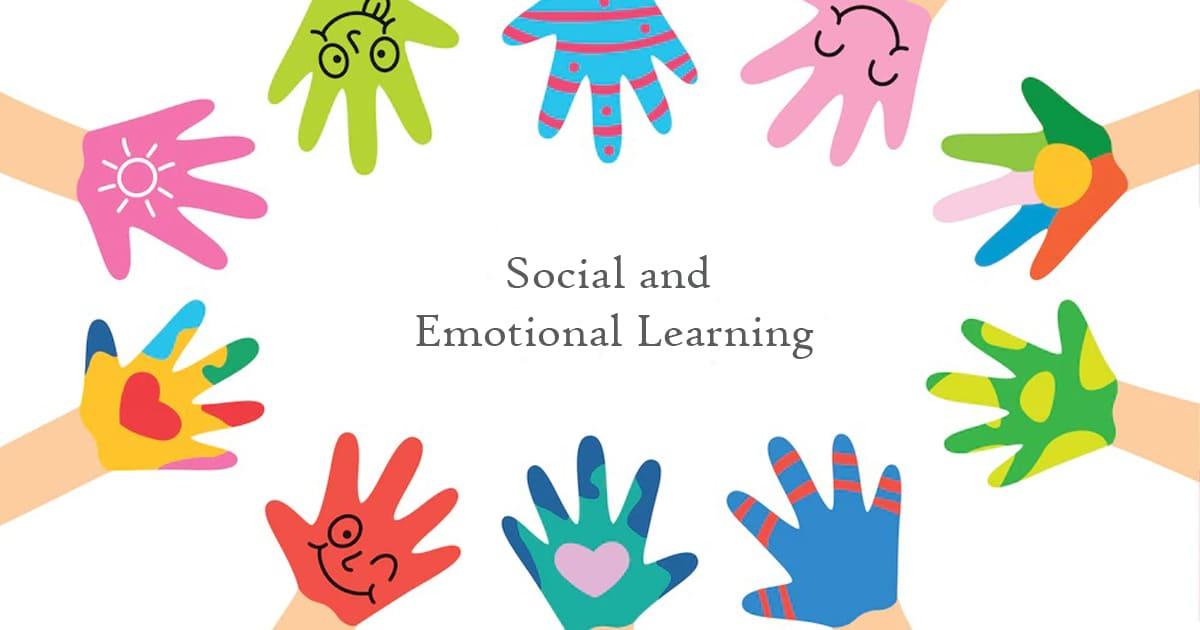
Social and Emotional Learning (SEL) has emerged as a crucial component of modern education, emphasizing the development of skills that go beyond academics. SEL focuses on helping students recognize and manage their emotions, build healthy relationships, make responsible decisions, and develop empathy. By integrating SEL into the curriculum, schools aim to equip children with the tools necessary to navigate both personal and social challenges effectively. These skills not only enhance classroom behavior but also contribute to long-term success in life.
One of the core benefits of SEL is its impact on emotional regulation. Students learn to identify their feelings and respond to them in constructive ways. This ability reduces incidents of disruptive behavior and promotes a positive classroom environment. Teachers often observe that students practicing SEL exhibit better attention, engagement, and resilience. Furthermore, SEL encourages self-awareness, enabling children to understand their strengths and areas for growth. This foundation of self-knowledge fosters confidence and a growth mindset, essential for academic and personal achievement.
In addition to emotional growth, SEL strengthens interpersonal skills. Children learn to communicate effectively, resolve conflicts, and work collaboratively with peers. These social competencies are invaluable, as they lay the groundwork for successful teamwork and leadership in adulthood. SEL programs often include group activities, discussions, and role-playing exercises that simulate real-life social situations. These exercises teach students how to listen actively, express themselves clearly, and respect differing perspectives. Over time, students develop empathy and compassion, key traits that promote inclusivity and reduce bullying.
Responsible decision-making is another critical aspect of SEL. Students are guided to evaluate the consequences of their actions and make choices that benefit both themselves and their community. This process encourages ethical thinking and accountability, helping young learners to internalize the importance of personal responsibility. Schools incorporating SEL also report improvements in overall school climate, including reduced stress and increased student engagement. The positive ripple effects extend to teachers and families, fostering supportive environments that reinforce the skills taught in the classroom.
Research consistently supports the long-term benefits of SEL. Students with strong social and emotional skills tend to perform better academically, maintain healthier relationships, and exhibit lower levels of anxiety and depression. Moreover, SEL nurtures essential life skills that prepare students for the challenges of adulthood. As education systems continue to evolve, integrating SEL into daily instruction becomes increasingly vital. By prioritizing social and emotional development alongside academics, schools can cultivate well-rounded individuals equipped to thrive both personally and professionally.
Source - https://www.marketresearchfuture.com/reports/social-and-emotional-learning-sel-market-10811
Social and Emotional Learning is more than an educational initiative; it is a holistic approach to nurturing the next generation. By teaching students to understand themselves, interact positively with others, and make thoughtful decisions, SEL lays the foundation for lifelong success and well-being. Schools that embrace SEL not only improve academic outcomes but also contribute to the emotional and social resilience of their students.

 English
 Arabic
 French
 Spanish
 Portuguese
 Turkish
 Dutch
Dutch
 Italiano
 Russian
 Romaian
 Portuguese (Brazil)
 Greek
Greek