


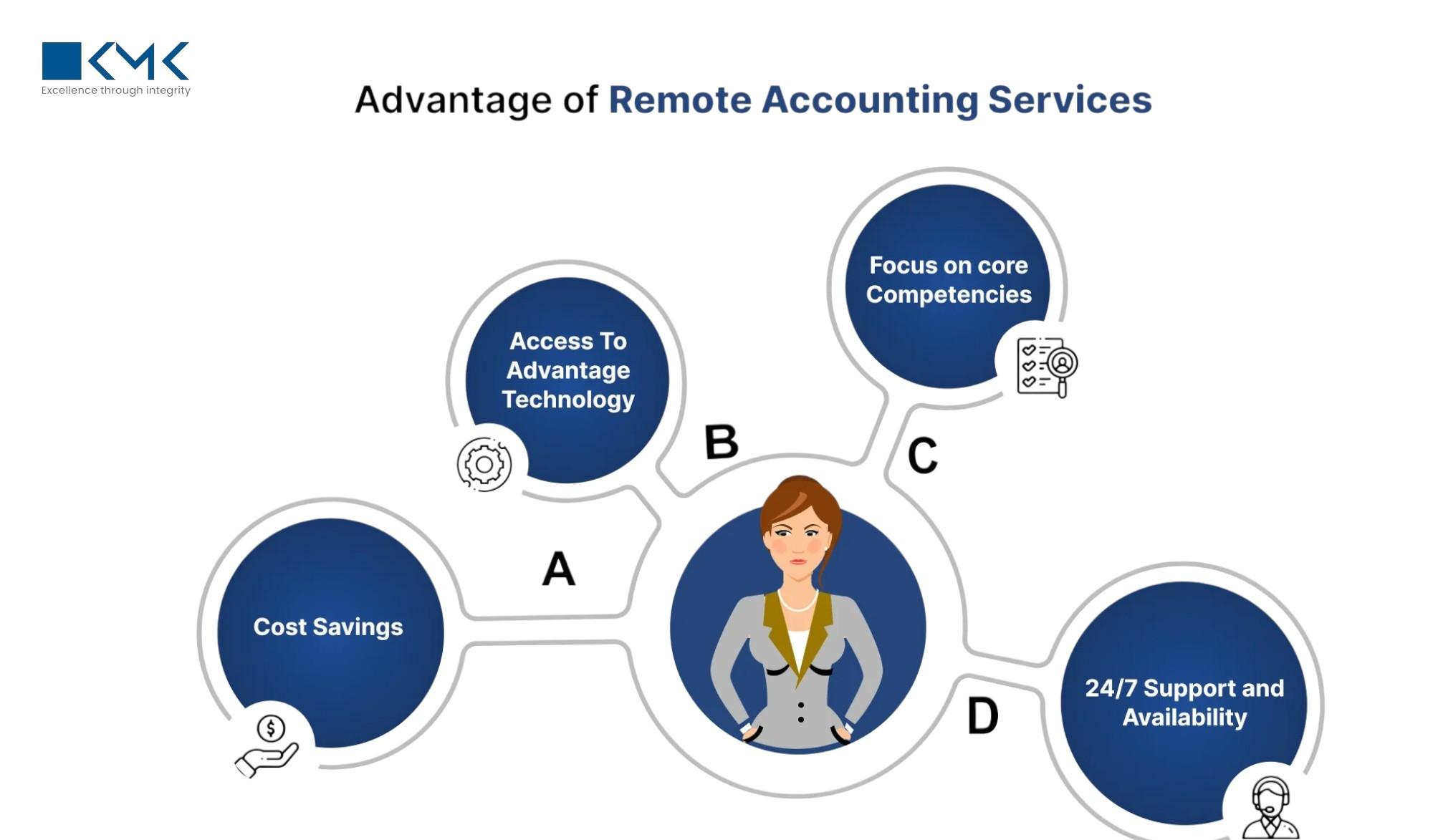
The accounting industry in the US is under constant pressure. Between growing compliance demands, seasonal tax surges, and the need for faster turnaround times, CPA firms often find themselves stretched thin. So, how are many firms staying competitive while managing costs? The answer lies in offshore accounting & taxation services. In recent years, US CPA firms have increasingly embraced offshore partnerships—not just as a cost-cutting measure but as a strategic way to enhance service quality, scale operations, and free up in-house teams for high-value client work. Let’s explore why this shift is happening, how it works, and the measurable benefits it brings.
What Are Offshore Accounting & Taxation Services?
Offshore accounting & taxation services involve partnering with qualified accounting professionals in other countries to handle specific financial and tax-related tasks. These services can include:
-
Bookkeeping and payroll processing
-
Tax return preparation for individuals, corporations, and partnerships
-
Audit support and financial statement preparation
-
Accounts receivable and payable management
-
Compliance and regulatory reporting
US CPA firms work with offshore teams that understand American accounting standards (GAAP), IRS regulations, and state-specific tax laws—ensuring compliance while optimizing efficiency.
Why Are US CPA Firms Turning to Offshore Solutions?
The demand for skilled accountants in the US has outpaced supply. Add in peak tax season workloads, and you have a recipe for burnout and missed opportunities. Offshore accounting & taxation services address these challenges by offering:
-
Scalability: Quickly ramp up capacity during busy seasons.
-
Cost efficiency: Reduce labor costs without compromising quality.
-
Access to specialized expertise: Offshore professionals often have niche skills in areas like corporate tax planning or industry-specific compliance.
The Financial Advantages: Saving More Than Just Labor Costs
One of the primary drivers for outsourcing is cost savings, but the financial benefits go deeper than reduced salaries.
1. Lower Overhead Expenses
With offshore teams handling back-office tasks, CPA firms can minimize spending on office space, utilities, equipment, and additional HR costs.
2. Optimized Resource Allocation
By outsourcing routine accounting and tax preparation, firms allow their senior accountants and partners to focus on revenue-generating services such as tax consulting, advisory work, and business planning.
3. Improved Profit Margins
Lower operating costs combined with higher-value client services can significantly improve a CPA firm’s bottom line.
How Offshore Accounting & Taxation Services Enhance Efficiency
Cost savings are only part of the story—efficiency gains often have an even bigger impact on growth.
-
Faster Turnaround: Offshore teams in different time zones can work overnight, delivering completed tasks by the next US business day.
-
Year-Round Support: Unlike seasonal hires, offshore teams are available throughout the year, ensuring steady workflow management.
-
Technology Integration: Most offshore partners use cloud-based tools like QuickBooks, Xero, or NetSuite, allowing for real-time collaboration and secure data sharing.
Tax Season Relief: The Offshore Advantage
Tax season can be overwhelming for US CPA firms, with deadlines looming and client expectations running high. Offshore accounting & taxation services help manage these surges by:
-
Preparing large volumes of tax returns accurately and on time.
-
Providing up-to-date knowledge of changing IRS regulations.
-
Freeing in-house staff for client consultations and strategic planning.
By alleviating peak workload pressure, firms can maintain service quality without overworking their teams.
Compliance and Security: Addressing the Trust Factor
A common question is, “Is offshore accounting secure?”
Reputable offshore service providers follow strict data protection protocols, including:
-
NDAs (Non-Disclosure Agreements) to safeguard confidential client information.
-
Secure data transfer channels such as encrypted file sharing and VPN access.
-
Compliance with international data privacy regulations like GDPR and SOC 2 standards.
When choosing a partner, CPA firms should vet providers for certifications, data security measures, and experience with US compliance requirements.
The Strategic Growth Opportunity
Offshore accounting & taxation services don’t just reduce workloads—they can help CPA firms expand their offerings.
-
Adding New Services: With more bandwidth, firms can offer advisory, forensic accounting, or niche industry tax services.
-
Expanding Client Base: Faster turnaround and broader capabilities make it possible to attract and retain more clients.
-
Scaling Without Risk: Offshore teams allow firms to take on more work without the long-term commitment of full-time hires.
How to Choose the Right Offshore Partner
Finding the right fit is crucial. Here’s what US CPA firms should look for:
-
Proven Track Record – Ask for case studies and client references.
-
US Accounting Expertise – Ensure familiarity with GAAP, IRS guidelines, and state tax laws.
-
Technology Compatibility – The provider should work with the same accounting platforms your firm uses.
-
Data Security Measures – Look for clear policies, encryption standards, and compliance certifications.
-
Transparent Communication – Regular updates, clear reporting, and accessible points of contact are essential.
Real-World Example: Offshore Success Story
Consider a mid-sized CPA firm in Texas that partnered with an offshore team for tax preparation. During the 2024 tax season, the offshore team prepared over 1,200 returns, freeing the firm’s partners to focus on high-value advisory services. The result?
-
25% increase in billable advisory hours
-
30% reduction in operating costs
-
Faster delivery times, leading to higher client satisfaction scores
This case illustrates how offshore solutions can directly impact growth, profitability, and client loyalty.
Final Thoughts
For US CPA firms, offshore accounting & taxation services are no longer just a backup plan—they’re a growth strategy. By leveraging global talent, firms can reduce costs, improve efficiency, and focus on what matters most: delivering exceptional value to clients. As the accounting landscape becomes more competitive, those who adapt to smarter, more flexible business models will have the edge. Offshore partnerships provide that flexibility—without sacrificing quality, compliance, or client trust.

 English
 Arabic
 French
 Spanish
 Portuguese
 Deutsch
 Dutch
Dutch
 Italiano
 Russian
 Romaian
 Portuguese (Brazil)
 Greek
Greek