


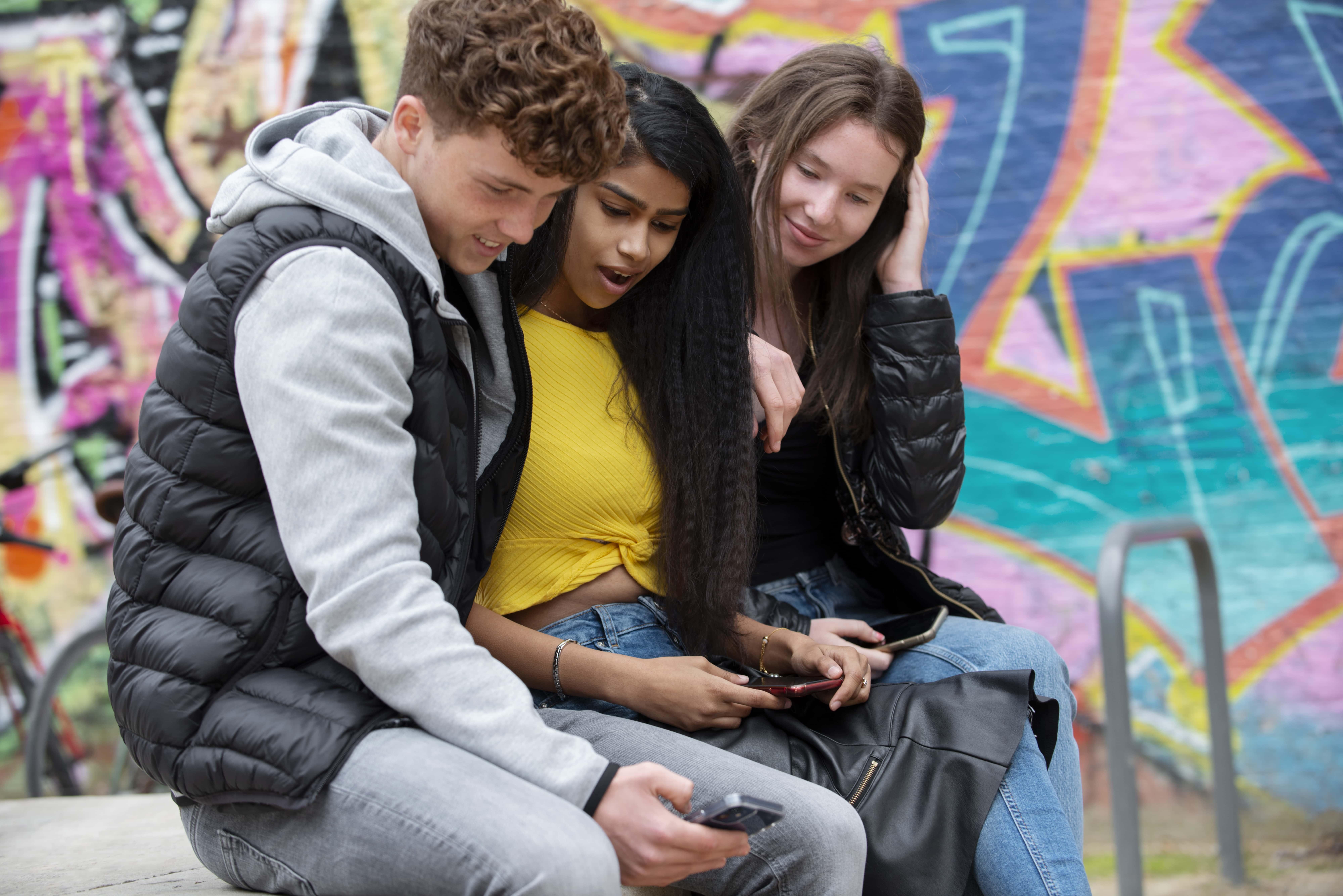
Walk into any college campus, scroll through Instagram, or attend a streetwear pop-up, and one thing is clear—Gen Z isn't just following fashion trends, they're setting them. With bold choices, fluid identities, and a keen awareness of what’s happening globally, today’s youth are changing what style looks like, who it’s for, and how it’s consumed. The fashion world in 2025 is no longer a one-way street from runway to rack. It’s a dialogue—and Gen Z is leading the conversation.
A Generation That Shops with Purpose
Unlike previous generations who were drawn to big logos and brand loyalty, Gen Z gravitates toward values. Whether it's environmental responsibility, ethical labor, or body positivity, they care about the story behind the label. It's not just about looking good—it's about feeling aligned with the message the outfit sends.
Vintage, thrifted, and upcycled clothing is having a serious moment. Platforms like Depop, Poshmark, and even Instagram pages dedicated to “closet sales” are thriving. But it’s not just because it's cheaper. It's about reducing waste, rejecting mass production, and embracing individuality. Wearing a jacket from the '90s feels more expressive than a factory-fresh hoodie.
Style Is Fluid, Not Boxed In
Gen Z is dissolving the old-school idea of “menswear” and “womenswear.” They’re mixing silhouettes, ignoring sizing rules, and wearing what feels authentic rather than what’s expected. Influencers and artists like Jaden Smith, Billie Eilish, and Harry Styles are seen rocking skirts, oversized fits, or gender-neutral pieces—and their fans are doing the same.
Brands that once catered to binary norms are scrambling to adjust. Unisex lines are more than a trend now—they’re becoming the norm. Fashion is shedding its old labels and embracing self-expression without constraint. Identity is a spectrum, and style is following suit.
The Internet Is the New Catwalk
In the past, fashion had gatekeepers—editors, designers, luxury labels. Now? A teenager with good lighting and a sense of style can influence millions. Social media, especially platforms like Instagram Reels and YouTube Shorts, has become the runway of the modern world.
One viral styling video can spark a movement. Cottagecore, gorpcore, clean girl aesthetic, Y2K revival—all these micro-trends emerged from the depths of Gen Z’s digital playground. What's powerful is that they’re often rooted in nostalgia, irony, or subtle rebellion. And they change faster than traditional fashion houses can keep up.
This democratization of style has opened the doors to diverse voices. A plus-size creator in Mumbai or a hijabi stylist in Toronto can gain just as much traction as any celebrity stylist in LA. Gen Z doesn’t just consume fashion—they co-create it.
DIY Culture: Making Fashion Personal Again
Customisation is everything. Patching jeans, painting sneakers, distressing old tees—DIY is back, and it’s not just a lockdown hobby anymore. Gen Z wants to make pieces their own. There’s a certain pride in wearing something you altered, upcycled, or made from scratch.
Sewing machines are flying off shelves, and YouTube tutorials on how to crochet your own tank top have millions of views. In a way, it’s a rebellion against fast fashion and a return to craftsmanship. The pieces that stand out now are the ones that carry a personal imprint, not a factory tag.
Collaborations Over Campaigns
Gen Z sees through traditional marketing. Slick advertisements and celebrity endorsements don’t hit the same anymore. What catches their attention? Collaboration—with creators, communities, and subcultures.
Fashion labels are increasingly teaming up with niche influencers, street artists, or even fans to co-create collections. The goal isn't just to sell clothes; it's to tell a story that resonates. A video production company might be hired not just to shoot a campaign, but to capture the essence of the brand through mini-documentaries, vlogs, and raw behind-the-scenes footage.
Authenticity matters. If a brand tries too hard or appears disconnected, Gen Z will call it out. Cancel culture might be harsh, but it’s also enforcing a higher standard of accountability in fashion storytelling.
Community Is the New Cool
If there's one thing that defines Gen Z fashion culture, it's community. Whether it’s online groups sharing style inspiration or local swap events, there's a growing sense of togetherness. It’s not about outshining each other—it’s about celebrating uniqueness.
Fashion now feels less about “fitting in” and more about “standing out together.” This is especially true when it comes to marginalized identities. From queer fashion collectives to BIPOC-led design houses, Gen Z is pushing for fashion that reflects real people and their lived experiences.
The Road Ahead
So, what does this all mean for the future of fashion? Brands need to listen more, dictate less. Creativity, individuality, and sustainability are no longer “nice to have”—they're the baseline. Success isn’t measured by runway applause, but by how well you connect with your audience.
The power has shifted. Gen Z isn’t just wearing clothes; they’re reshaping the very system that makes them. And in doing so, they’re reminding the fashion world that style isn’t just fabric stitched together—it’s identity, resistance, joy, and most importantly, voice.

 English
 Arabic
 French
 Spanish
 Portuguese
 Turkish
 Dutch
Dutch
 Italiano
 Russian
 Romaian
 Portuguese (Brazil)
 Greek
Greek