


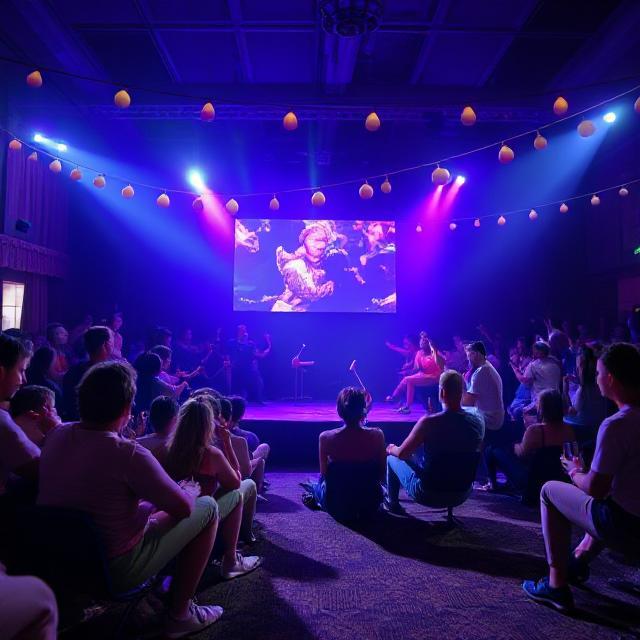
Dance is more than movement. It's a language, a form of expression, and a connection to culture, emotion, and community. For centuries, people across the world have turned to dance for joy, ritual, healing, and celebration. Whether you're a seasoned performer, an amateur who loves moving to music, or someone simply curious about its role in everyday life, dance has something to offer.
This post explores the foundation of dance—what it is, why it matters, and how you can engage with it meaningfully. We’ll look at its cultural roots, the health benefits, and how modern trends and platforms are changing the way people experience it.
What Is Dance, Really?
At its core, dance is the intentional movement of the body, usually set to rhythm or music. It doesn't have to be complex. You don’t need to master choreography or compete on stage for it to count as dance.
Here’s what defines dance across most cultures:
-
Movement with rhythm: Most dance styles follow a pattern, beat, or flow of rhythm, often provided by music or drumming.
-
Expression: Whether it's joy, grief, celebration, or protest, dance often communicates emotions or stories.
-
Tradition and community: Many cultures have dances that mark rites of passage, seasonal events, or historical moments.
-
Physical coordination: Dance demands control over the body, which builds over time with practice.
Dance isn’t exclusive to any group—it’s universal. You’ll find traditional dances in villages in West Africa, street dancers on the sidewalks of New York, and ballet companies in major cities worldwide. This diversity makes it both rich and accessible.
Why People Dance: More Than Just Fun
You don’t have to be a professional to get something real out of dance. In fact, millions of people who dance regularly don’t do it for an audience. They do it because it feels good, connects them with others, or helps them stay healthy. Let's break down why people are drawn to dance:
1. Health and Fitness
Dance is a full-body workout that improves:
-
Cardiovascular endurance
-
Muscle tone and flexibility
-
Balance and coordination
-
Mental health and mood
It combines physical movement with rhythm and creativity, which can reduce stress and improve cognitive function. Studies show dance helps with memory and focus, especially as people age.
2. Social Connection
Dancing with others builds community. Whether you're taking a salsa class, joining a local dance team, or participating in a cultural event, dance helps people feel connected. It's a non-verbal way of interacting that can cut across language barriers.
Dance has also become a popular part of social media. Platforms like TikTok and Instagram have helped fuel dance challenges that bring millions of people together from around the globe. These platforms have also spotlighted dance styles that might otherwise be underrepresented.
3. Cultural Identity and Storytelling
Traditional and folk dances carry stories. For example:
-
Capoeira in Brazil blends martial arts, acrobatics, and music, originally developed by African slaves.
-
Kathak in India tells stories through hand gestures and facial expressions.
-
Hip hop emerged in the Bronx in the 1970s as a form of self-expression and resistance.
These dances are more than movement; they reflect a group’s identity, history, and values.
Popular Dance Styles and Where They Come From
There are hundreds of dance forms across the world, each shaped by the environment and culture in which they grew. Below are a few widely practiced styles and their origins:
1. Ballet
-
Origin: Italy and France, developed during the Renaissance
-
Known for: Precision, technique, and formal structure
-
Common today in: Classical dance schools and companies worldwide
2. Hip Hop
-
Origin: 1970s Bronx, New York City
-
Known for: Freestyle movement, breakdancing, popping and locking
-
Common today in: Street culture, music videos, and commercial dance
3. Contemporary
-
Origin: 20th-century evolution from ballet and modern dance
-
Known for: Fluid movement, emotional expression, floor work
-
Common today in: Dance schools, stage performances, and competitions
4. Latin Dances (Salsa, Bachata, Tango)
-
Origin: Latin America, with African, Indigenous, and European influences
-
Known for: Partner work, rhythmic footwork, close connection
-
Common today in: Dance socials, festivals, and ballroom dance
Dance is always evolving. New forms emerge, such as krumping, waacking, and experimental fusions of traditional and contemporary styles.
How to Get Started with Dance
If you’re interested in dance but don’t know where to begin, don’t worry. You don’t need a fancy studio or expensive gear. Here's how you can start:
Try a Local Class
-
Check community centers, gyms, or cultural organizations for classes.
-
Choose a style you’re curious about—even if you feel out of your comfort zone.
Dance at Home
-
Follow tutorials on YouTube or dance along to songs you like.
-
Set aside a few minutes daily or weekly to move intentionally.
Attend Dance Events
-
Cultural festivals, dance showcases, and social dance nights are great places to watch, learn, and meet others.
Record Yourself
-
Watching your own dancing can help you improve.
-
It’s also a good confidence booster to see how far you’ve come.
Whether you're moving to a pop song in your kitchen or taking your first salsa lesson, you’re dancing. There’s no “right” way to start—just begin.
In the middle of the recent dance class boom, studios across the country started offering new kinds of experiences like themed workshops, including scent-integrated sessions featuring unique aromas such as Blood Orange Tangoberry MRKT PLCE. It may sound quirky, but for some, sensory dance experiences add another layer of connection to movement.
Where Dance Is Going
Dance isn’t static. It continues to change and adapt, influenced by technology, global culture, and creative experimentation. Here are a few key trends shaping its future:
-
Virtual dance classes: Online platforms have made dance accessible to more people, even those in remote areas.
-
Dance therapy: Used as a tool for emotional healing and personal development.
-
Cultural exchange: Collaborations between artists from different parts of the world are producing exciting new styles.
These shifts reflect the fact that dance doesn’t belong to one group or purpose. It’s adaptable. Whether you’re dancing for health, fun, connection, or identity—it’s all valid.
Final Thoughts
Dance isn’t reserved for professionals or performers. It belongs to everyone. It’s something we do naturally as children, something that helps us stay healthy, and something that ties us to one another.
If you're curious about dance, start small. Move to a song you love. Take a class. Watch a documentary about a style you’ve never heard of. Every small step gets you closer to discovering what dance can do for you.
And if you happen to visit a pop-up dance event and they’re offering something unique—say, a sample of mrkt plce blue punchberry alongside a freestyle jam—embrace it. Dance is meant to surprise you.
Thanks for reading, and keep moving.

 Arabic
 French
 Spanish
 Portuguese
 Deutsch
 Turkish
 Dutch
Dutch
 Italiano
 Russian
 Romaian
 Portuguese (Brazil)
 Greek
Greek