


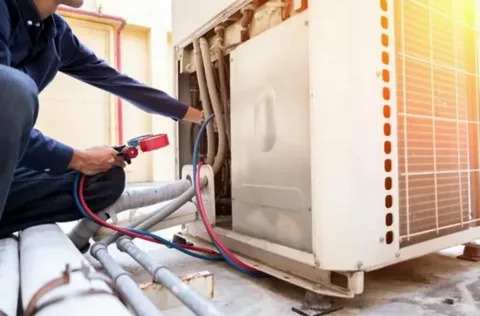
Loud AC noises can make your whole home feel tense. Instead of relaxing, you sit and wait for the next bang, buzz, or rattle. You may wonder if the unit will fail on the hottest day of the year, or if the noise means a serious safety risk. Our top-quality air conditioning repair service Mesquite starts with listening to your story, so we understand the stress behind those loud AC noises. You want clear answers, fair guidance, and a quiet home again. In this guide, we walk through everyday AC noises, what they usually mean, and the steps that truly protect your comfort, budget, and peace of mind.
How our air conditioning repair service Mesquite checks banging
Banging sounds can feel scary, almost like someone hitting the unit with a hammer. Often, this points to loose or broken parts inside the compressor or blower. Our goal is to determine what caused the movement, why it occurred, and what else it may have affected. A visit typically begins with careful listening. We then inspect the panels, fan assemblies, and mounting bolts. Next, we check the blower wheel and compressor area. If we find broken parts, we explain the choices in clear language, including the options of repair versus replacement.
“A loud bang is your AC’s way of saying, ‘Please look at me now, not later.’”
When banging is caught early, repairs can be more targeted. You avoid extra damage from pieces hitting other components. You also gain a steadier system that cools more evenly and runs with less stress.
Loud AC Sounds And What They Often Signal
First, it helps to know that almost every odd sound has a reason. A healthy system hums, but it should not scream, grind, or bang. When the sound changes, your AC is trying to tell you something important. Sometimes, the cause is simple, such as a loose panel or a small branch stuck in the outdoor fan. At other times, the sound indicates worn parts, failing motors, or pressure issues. These problems can grow if they are ignored. Because of this, loud noises are more than an annoyance. They are an early warning. If you act early, you often spend less, avoid breakdowns, and maintain a more stable indoor air quality. When you understand the basic patterns, you can describe the sound clearly and get faster, more helpful repair advice.
When Scraping Or Grinding Sounds Keep You Alert
Scraping or grinding sounds usually indicate that two surfaces are rubbing together that should never touch. This may be caused by a bent fan blade, broken bearings, or loose metal rubbing as the motor turns. Left alone, friction can damage other parts and raise repair costs. When noise is linked to moving parts, turning the system off is often the safest first step. Then you can call a qualified technician. That way, you lower the chance of a complete motor failure. Many homeowners quickly search for AC repair service near me when they hear grinding for the first time. Acting right away protects your comfort and your wallet. It also shows respect for your family’s safety, because some failures can lead to overheating or electrical risks.
Here are signs this sound needs quick attention:
-
Scraping that starts suddenly and gets louder
-
Grinding that changes with fan speed
-
Metal-on-metal noise even at low settings
A Simple Guide To Common AC Noises
Sometimes it helps to see the patterns in one place. This quick chart links sound types with common causes and why they matter to you:
| Noise type | Likely cause | Why it matters to you |
|---|---|---|
| Rattling | Loose panels, debris, or screws | Parts can break, and efficiency often drops |
| Banging | Loose or broken internal parts | Risk of significant damage and sudden breakdown |
| Grinding | Worn bearings, motor issues | Can lead to motor failure and higher repair costs |
| Hissing | Possible refrigerant leak or air leak | Comfort drops and energy use usually increase |
| Buzzing | Electrical issues or loose wiring | Safety concerns and risk of system shutdown |
As you listen, try to match the sound, but do not open sealed areas on your own. Instead, use this chart to explain the noise to a trusted technician. Precise details help them arrive prepared and reduce the time your home feels uncomfortable.
Protecting Your AC With Small Daily Habits
Noise problems do not appear out of nowhere. They often grow from small issues that build over weeks or months. Simple habits can lower that risk and keep the system running smoothly. Many homeowners first notice trouble, then rush online to look up AC repair service near me. Instead, you can stay ahead by watching for early signs. Strange smells, short cycles, or a small rattle that comes and goes are all worth noting.
What you can start doing this week
-
Check and change filters on the schedule your tech suggests
-
Keep plants, leaves, and clutter away from the outdoor unit
-
Listen for new sounds when the system starts and stops
-
Schedule regular tune-ups before the hottest months
-
Keep vents open and unblocked to support good airflow
When you give your AC this steady care, you gain more than quiet. You gain lower stress, fewer surprise repair bills, and a home that feels calm even on very hot days.
Why Ignoring Hissing Or Bubbling Can Cost You
Hissing or bubbling sounds often indicate refrigerant issues or air entering lines that should remain sealed. This kind of problem does more than make odd sounds. It can lower cooling power, raise energy bills, and strain the compressor. Our exceptional air conditioning repair service Mesquite handles this type of noise with a thorough inspection before we repair any part. We check pressures, look for leaks, and follow safety rules for handling refrigerant. Then we discuss the findings in plain terms, so you know what is happening inside the system.
“Quiet AC is not just about sound; it is about safe, steady cooling every day.”
If you respond early to hissing, you usually avoid major part failures. You also help your AC last longer and keep indoor air more even from room to room.
What To Expect During A Professional Noise Visit
Many people feel nervous before a repair visit because they are unsure of what will happen. Clear steps can alleviate that worry and demonstrate the value you receive for your time and money. During our visit, we started by listening to your story about the AC noise. Then we inspect the system, test vital parts, and check electrical connections. We also measure airflow and look for signs of wear that may not yet make noise.
You can often expect these steps:
-
Walkthrough of the noise history and when it appears
-
Visual inspection of indoor and outdoor units
-
Safe testing of motors, fans, and controls
-
Clear explanation of findings in simple words
When you know what to expect, you feel more in control. Instead of fearing surprise costs, you can ask informed questions and choose the path that fits your home and budget.
Moving Forward With A Quieter, Calmer Home
Now you can picture what those loud AC noises might mean, and you know the power of acting early. You also see how small habits and timely checks keep your system steady and your home more peaceful. When you hear a new sound, you do not have to panic. Instead, you can listen, note the pattern, and reach out for skilled help. A calm, quiet AC is not a luxury; it is part of feeling safe and relaxed in your own space.
If the noise in your home has you worried, you do not have to sort it out alone. Reach out to HM Tech Air Conditioning and Heating, and we will be glad to listen, inspect, and guide you through your next steps toward a quieter, more comfortable home.

 English
 French
 Spanish
 Portuguese
 Deutsch
 Turkish
 Dutch
Dutch
 Italiano
 Russian
 Romaian
 Portuguese (Brazil)
 Greek
Greek