


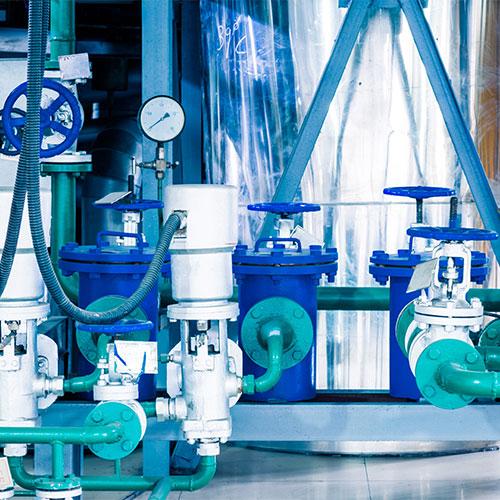
You want clean, safe water. You also want to know how it gets that way. Here is the short answer—plants screen debris. A water treatment plant Fresno makes that happen, step by step. Then, they clump tiny particles. Next, they let heavy bits settle. After that, they filter the rest. Finally, they kill germs. Sometimes, they add extra steps for tricky chemicals. So, why test first? Testing guides each next move. If the water carries algae, staff may tweak the steps. If runoff is heavy, they increase the chemical dose. Otherwise, if microbes spike, they boost disinfection later.
From Source To Intake: What Enters The Water Treatment Plant
First, water starts in rivers, lakes, or aquifers. Each source brings its own mix of problems. Consequently, you may see dirt, leaves, silt, oil, and microbes. Likewise, you may face invisible risks like nitrates or PFAS.
Next, plants block big objects. Screens catch sticks, trash, and even fish. Meanwhile, operators also test the water. They check turbidity, pH, and bacteria. Furthermore, they scan for metals and chemicals.
Coagulation and Flocculation: Tiny Particles Team Up
Initially, tiny particles float and refuse to settle. They carry negative charges. Thus, they repel each other and stay suspended. Coagulation fixes that problem fast. Next, operators add coagulants like alum or iron salts. These neutralize charges. As a result, particles stop pushing away. Then, they start sticking together in “flocs.” Gentle mixing, meanwhile, grows those flocs. After a few minutes, the water looks different. Clouds turn into soft snowflakes. Soon, these snowflakes will sink. Therefore, the next step becomes easier.
-
Common coagulants: alum, ferric chloride, and polymers.
-
Goals: neutralize charges and form flocs.
-
Benefit: removes color, silt, and some pathogens.
Quick Tip: Cold water slows floc growth. Therefore, plants compensate by adjusting mix time and dose.
Sedimentation and Clarification: Let Gravity Work
After flocculation, gravity takes over. The water rests in large basins. Consequently, heavy flocs drift down to the floor. Operators scrape the sludge and send it to handling.
This step does a lot with little energy. It cuts turbidity before filtration. Additionally, it reduces stress on the downstream gear. That means fewer clogs and lower costs. Soon, a clarified overflow moves on. It looks much cleaner than before. By this point, many basics are already out. A water treatment plant Fresno counts on this stage to set up the filter win.
To keep things steady, plant teams watch the flow rate. Too fast, and flocs will not settle. Too slow, and the process wastes time. Therefore, baffles and tube settlers help keep the flow smooth.
Suggestion: If your local water turns muddy after storms, ask your utility about sedimentation upgrades or tube settlers.
Filtration: The Workhorse That Polishes Water
After settling, filtration grabs what sedimentation misses. Think sand, anthracite, and sometimes granular carbon. Water passes down through layers. Consequently, particles get trapped inside tiny spaces. Operators pick the filter media for local needs. Carbon targets taste and odor. Sand targets fine silt. Additionally, some plants add membrane barriers. They block viruses and very small bugs.
For reliability, filters need care. Staff backwash them to shake loose trapped dirt. Meanwhile, they monitor head loss and turbidity at the outlet. Clean filters give bright, clear water. This is also where many homes join the effort. Smart homeowners ask for water filtration system installations near me. Appropriately, good point-of-entry or point-of-use units can handle local problems.
-
Typical filters: rapid sand, dual-media, and granular activated carbon.
-
Advanced options: microfiltration and ultrafiltration membranes.
-
Watch items: turbidity spikes and breakthrough events.
Disinfection: Killing Germs Safely and Effectively
Even clear water can hold germs. Disinfection stops them. Usually, chlorine is the classic choice. It kills bacteria and many viruses. Also, it leaves a tiny residual for the pipes.
Other tools shine too. UV breaks DNA and stops microbes from reproducing. Ozone oxidizes quickly and tackles taste and odor. Often, plants pair these with chlorine or chloramine. Importantly, disinfection must reach the farthest faucet. That is why systems keep a disinfectant “residual” in the mains. Your water treatment plant Fresno checks that level across the network. To balance safety, operators tune doses carefully. Too few leaves risk. Too much can create byproducts. Therefore, they test often and adjust with data.
-
Common methods: chlorine, chloramine, UV, and ozone.
-
Aim: to inactivate bacteria, viruses, and protozoa.
-
Control: time, dose, and contact chamber design.
Advanced Treatments: When Standard Steps Are Not Enough
Sometimes, pollutants resist basic steps. Think PFAS, nitrates, arsenic, and hexavalent chromium. Consequently, plants add special processes when tests demand it.
Granular activated carbon helps remove PFAS and pesticides. Ion exchange targets nitrates and some metals. Likewise, reverse osmosis pushes water through tight membranes. It blocks salts and many tiny molecules. Additionally, advanced oxidation uses peroxide and UV to bust tough organics.
Homeowners have options, too. They can add carbon blocks for taste and odor. However, always match the unit to the problem.
| Contaminant | Best Options | Notes |
|---|---|---|
| PFAS | Granular activated carbon, RO | Needs regular media change |
| Nitrates | Ion exchange, RO | Monitor for breakthrough |
| Arsenic | Adsorptive media, RO | pH control may help |
| Salts/TDS | RO | Produces a brine waste |
| Taste/Odor | Carbon | Often paired with chlorine |
Distribution and At-Home Safety: Keeping Water Clean to the Tap
After treatment, clean water still needs safe travel. It moves through miles of pipes. Accordingly, utilities watch pressure, leaks, and main breaks. They flush lines and replace old parts. Because water can stagnate, pipes may cause tastes, odors, or low residual. Therefore, utilities sample neighborhoods. They post results for the public. You can read those reports each year. At home, simple habits help. First, flush taps after long breaks. Next, keep refrigerator filters fresh. Additionally, use certified devices when needed. Finally, follow the manual closely.
Troubleshooting Common Water Issues: What You Can Do Fast
Sometimes, water tastes earthy. That often comes from algae byproducts. In that case, carbon filters can help. Also, chilling the water helps. Conversely, a rotten egg smell might be sulfur or a water heater issue. Therefore, searching for “water filtration system installations near me” can fix it. After a main break, you may see brown water. Then, run cold taps for a few minutes. It should be clear as the main flushes. If water looks cloudy, trapped air can make white bubbles. They rise and vanish in seconds. If issues persist, contact your utility. Provide time, location, and photos. Additionally, ask about recent hydrant flushing or repairs. When needed, request a test.
-
Earthy taste: try a fresh carbon cartridge.
-
Rotten egg smell: check the water heater anode.
-
Brown water: run cold water until clear.
Suggestion: Keep a small “water diary.” Note when changes happen. Consequently, patterns help your utility solve the root cause.
Conclusion
Yes, a water treatment plant removes harmful contaminants. It screens, clumps, settles, filters, and disinfects. When tests demand it, advanced steps remove stubborn chemicals.
Here are the big takeaways. Know your source. Trust tested treatment steps. Read your local water report. Use certified home devices when needed. Also, ask questions and stay informed. If you want help at home, reach out to Perfect H2o Solutions. They can match the right technology to your water. Ultimately, clean water is a team effort. Now, you know how the team wins.

 Arabic
 French
 Spanish
 Portuguese
 Deutsch
 Turkish
 Dutch
Dutch
 Italiano
 Russian
 Romaian
 Portuguese (Brazil)
 Greek
Greek