


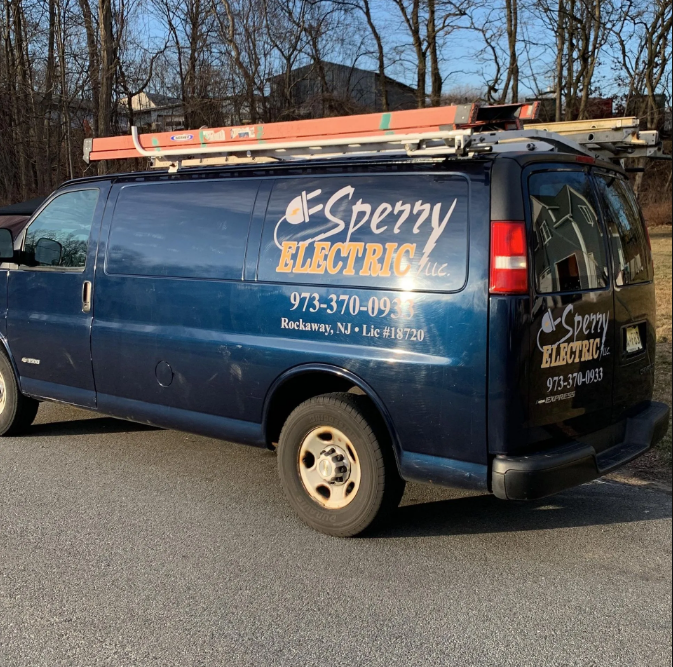
The world of electric vehicle charging can be confusing for new owners. With terms like "Level 2," "Amperage," "Smart Charging," and "Hardwired," it’s easy to feel overwhelmed. Choosing the right hardware is just as important as the installation itself. When selecting ev chargers at home, one size does not fit all. Sperry Electric NJ acts as a consultant, helping homeowners navigate the options to find the perfect charging solution for their vehicle and lifestyle.
Universal vs. Proprietary Chargers The first big decision is the connector type.
- Tesla Wall Connector: If you drive a Tesla, their proprietary Wall Connector is the gold standard. It integrates seamlessly with the Tesla app and offers the fastest charging speeds for their vehicles.
- J1772 (Universal): For non-Tesla vehicles (Ford, Hyundai, Nissan, etc.), the J1772 connector is the standard. Brands like ChargePoint, JuiceBox, and Emporia use this plug.
- The "Magic Dock" & NACS: The industry is shifting toward the North American Charging Standard (NACS), which is essentially the Tesla plug. Many universal chargers now come with adapters. Sperry Electric can help you choose a charger that will work for your current car and your next one.
Smart Chargers vs. Dumb Chargers Do you need Wi-Fi in your charger?
- "Dumb" Chargers: These are simple plug-and-play devices. They charge the car when plugged in and stop when full. They are reliable and often cheaper.
- Smart Chargers: These connect to your home Wi-Fi and offer an app. You can schedule charging times (to take advantage of cheaper off-peak electricity rates), track energy usage, and even integrate with Alexa or Google Home. For data geeks or those with TOU (Time of Use) utility plans, smart ev chargers at home are a must.
Amperage: Speed vs. Electrical Capacity Chargers typically range from 16 amps to 80 amps.
- 40-48 Amps: This is the "sweet spot" for most homeowners. It provides a fast charge (adding 30-40 miles of range per hour) but usually requires a 50 or 60-amp circuit.
- High Power (80 Amps): While faster, this often requires a massive electrical service upgrade (like moving to a 400-amp panel), which can be cost-prohibitive. Sperry Electric performs a load calculation to tell you exactly what your home can handle. They might recommend a 40-amp charger if your panel has limited space, ensuring you get a good charge without blowing the main fuse.
Hardwired vs. Plug-In
- Hardwired: The charger is wired directly into the electrical box. It is cleaner, safer (fewer connection points), and allows for higher power delivery. Outdoor installations should almost always be hardwired for weatherproofing.
- Plug-In (NEMA 14-50): This offers flexibility; you can unplug the unit and take it with you if you move. However, it requires a GFCI breaker (which can sometimes cause "nuisance tripping") and a high-quality outlet.
The Sperry Electric Consultation Sperry Electric doesn't just install; they advise. They ask: How far do you drive daily? Do you plan to get a second EV? Is your garage heated? (Cold affects charging cables). Based on these answers, they recommend the best hardware. As certified installers for major brands like ChargePoint and Tesla, they ensure the warranty remains valid.
Conclusion Selecting ev chargers at home is a balance of vehicle needs, home electrical capacity, and budget. You don't have to figure it out alone. Sperry Electric NJ provides the expertise to match you with the right technology, ensuring your transition to electric driving is smooth and efficient.

 Arabic
 French
 Spanish
 Portuguese
 Deutsch
 Turkish
 Dutch
Dutch
 Italiano
 Russian
 Romaian
 Portuguese (Brazil)
 Greek
Greek